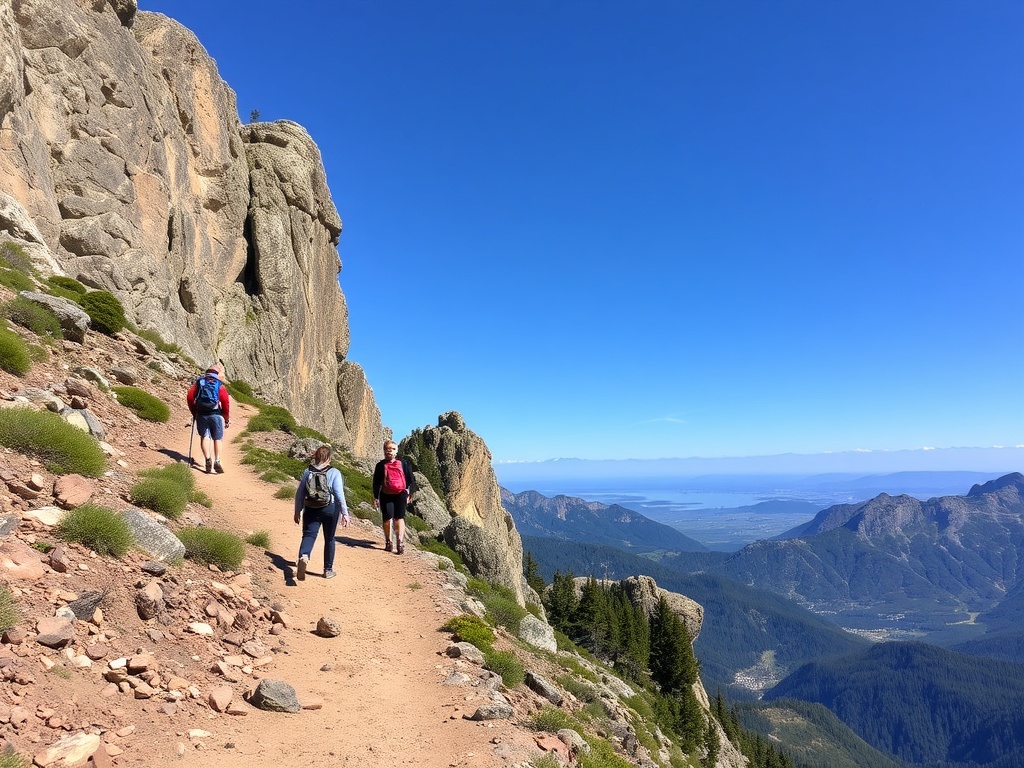
The Ultimate Guide to Planning Unconventional Adventure Trips

Adventure travel is about seeking the unexpected and embracing journeys off the typical tourist track. This comprehensive guide will help you plan and execute unconventional adventure trips that leave lasting memories.

Step 1: Choosing the Right Destination
Selecting a destination is the first and most critical step. Look for areas less frequented by mainstream tourists, offering unique natural landscapes or cultural experiences. Examples include hidden national parks, remote islands, or villages rich in local traditions. Use a mix of online forums, adventure travel blogs, and local recommendations to find these gems.

Step 2: Research and Planning
Once you have a destination, deep dive into research. Identify the climate, terrain, and local customs. Gather practical information about permits, safety guidelines, and transportation options. Adventure travelers often benefit from connecting with local guides who offer insider knowledge, helping you discover routes and activities off the beaten path.

Step 3: Budgeting Smartly
Adventure trips can be unpredictable in costs. Create a flexible budget that includes transportation, accommodations, activities, gear, meals, and emergency funds. Consider options like homestays, guesthouses, or local transport to save money while supporting local communities. Allocate extra funds for spontaneous experiences—they often create the most memorable stories.
Step 4: Packing Essentials
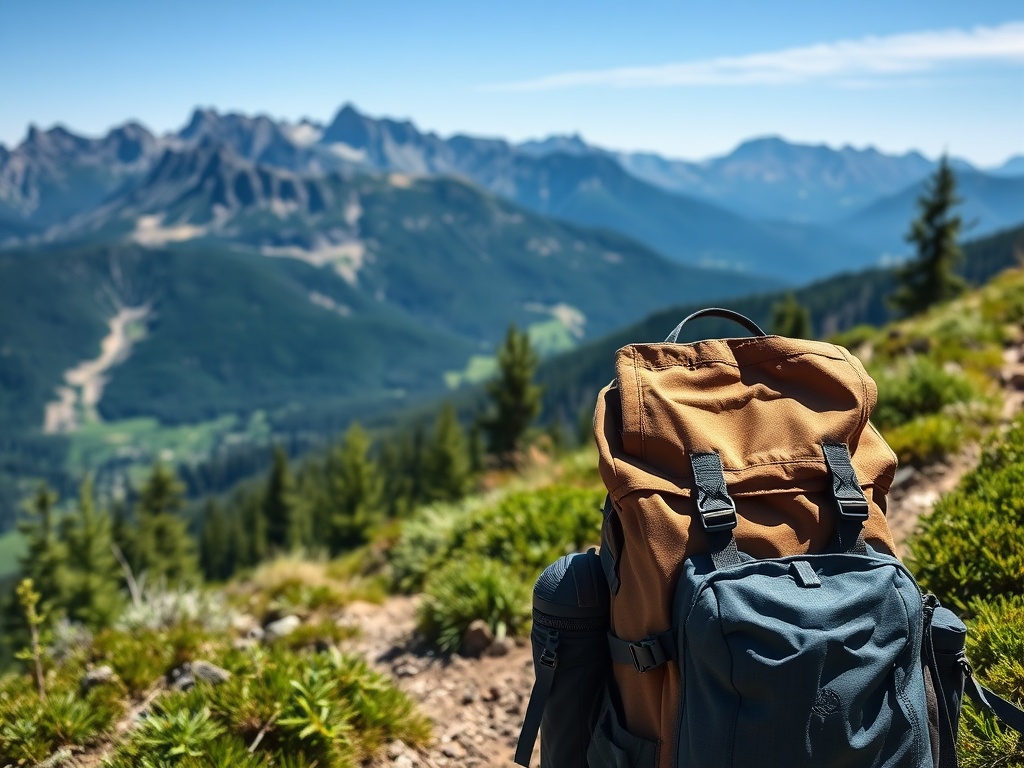
Packing wisely is crucial for comfort and safety. Essentials include appropriate clothing for varying climates, sturdy footwear, first aid kit, portable water filtration, and navigation tools. Lighten your load by choosing multipurpose gear. Remember that adventure trips often involve physical activity, so pack items that prioritize mobility and convenience.
Step 5: Safety and Contingency Planning
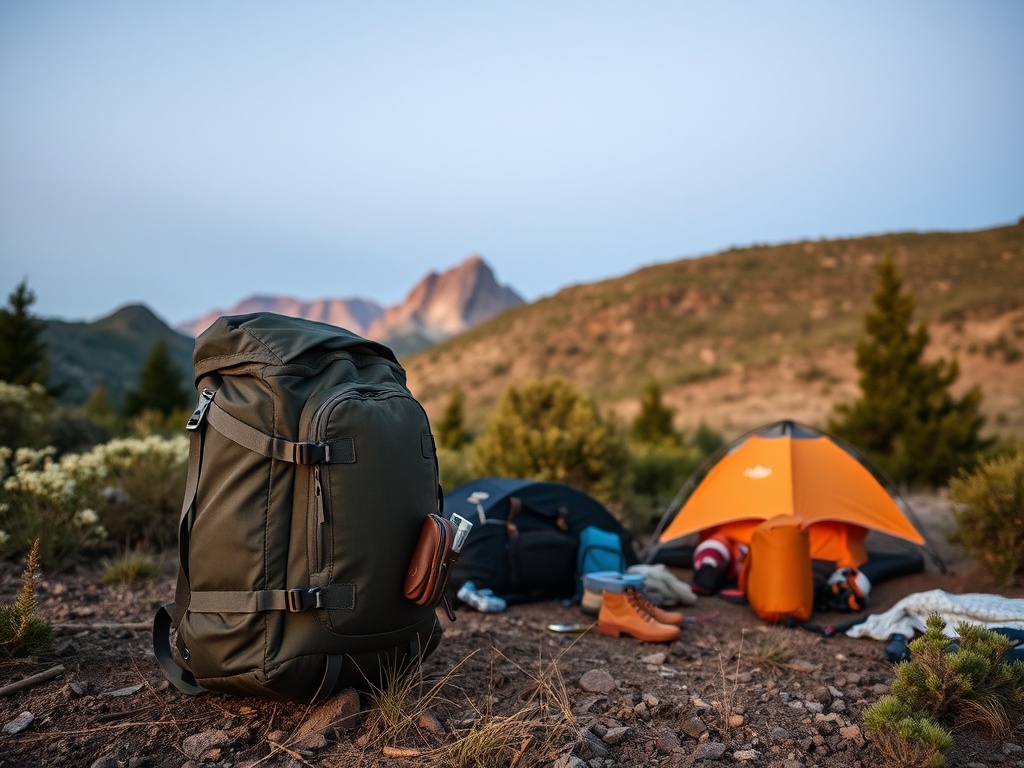
Prioritize safety without compromising adventure. Know the risks of your destination, including wildlife, weather, and terrain. Prepare contingency plans, including evacuation routes, emergency contacts, and communication tools. Sharing your itinerary with someone reliable adds an extra layer of security.

Step 6: Embracing Local Culture
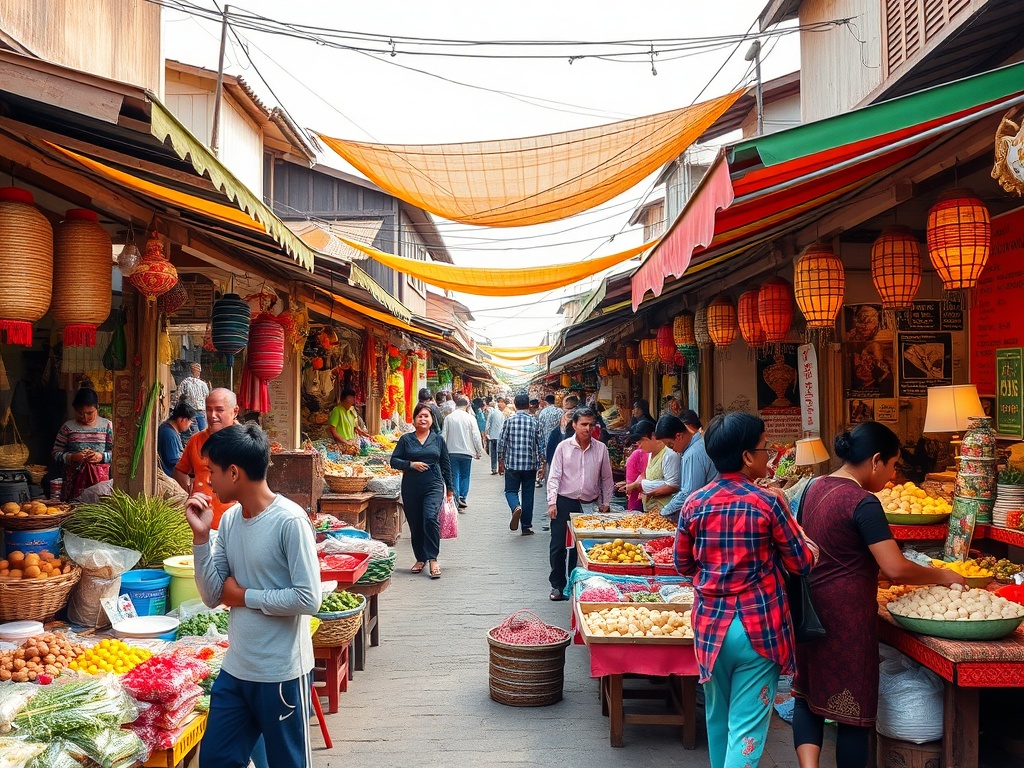
Immersing yourself in local culture transforms a trip into a meaningful adventure. Learn basic phrases, respect traditions, and participate in community activities. Whether it’s cooking classes, local festivals, or guided tours by residents, these experiences foster deeper connections and enrich your journey.
Step 7: Documenting Your Adventure
Capturing memories allows you to relive the adventure and inspire others. Use a journal, photography, or vlogs to record experiences. Document not just landscapes but interactions, challenges, and personal reflections. Sharing stories responsibly also helps other travelers seeking unconventional paths.

Step 8: Sustainable Travel Practices
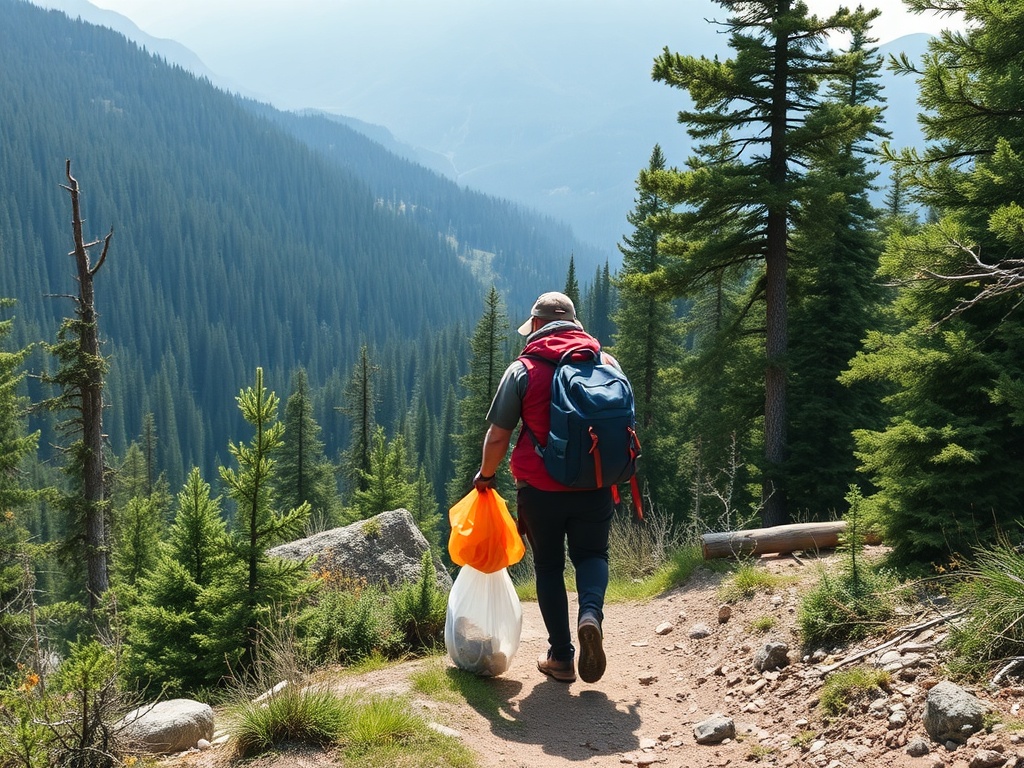
Protect the environments and communities you visit. Reduce waste, support local businesses, and follow Leave No Trace principles. Eco-conscious practices ensure that future travelers can enjoy the same pristine experiences. Responsible adventure travel leaves positive impacts on both nature and society.
Step 9: Reflect and Share Your Learnings
After your trip, take time to reflect on your experiences. Share your insights through blogs, social media, or conversations with fellow travelers. Highlight both successes and challenges, offering practical tips for others seeking similar adventures. Reflection solidifies memories and extends the value of your journey.

Step 10: Planning the Next Adventure
Every adventure builds confidence for the next. Use lessons learned to refine future plans, explore more remote destinations, and push personal boundaries. Keep curiosity alive, stay safe, and continue to seek unique experiences that transform your understanding of the world.