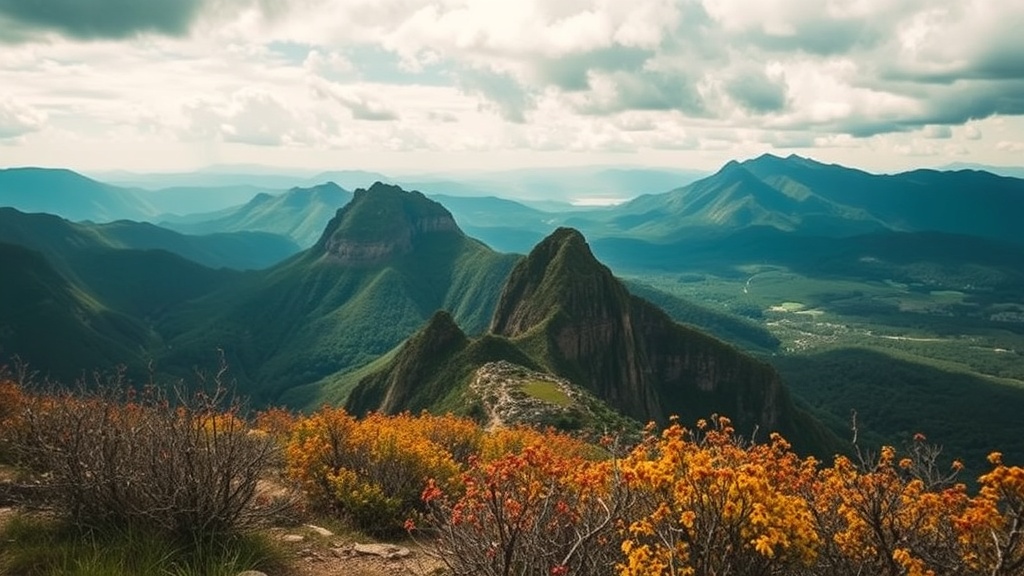
The One Travel Trick That Changes Every Trip: Slow Down to Go Further

Quick Tip
Cut your itinerary in half and stay longer in fewer places to experience travel more deeply.
Most travel advice is obsessed with efficiency—how to see more, cram more, optimize every minute. That’s exactly how you end up forgetting half of what you saw.
Here’s the tip that quietly changes everything: slow down your travel pace on purpose. Not accidentally. Not because you’re tired. Intentionally.
It sounds obvious. It isn’t. Almost nobody actually does it.
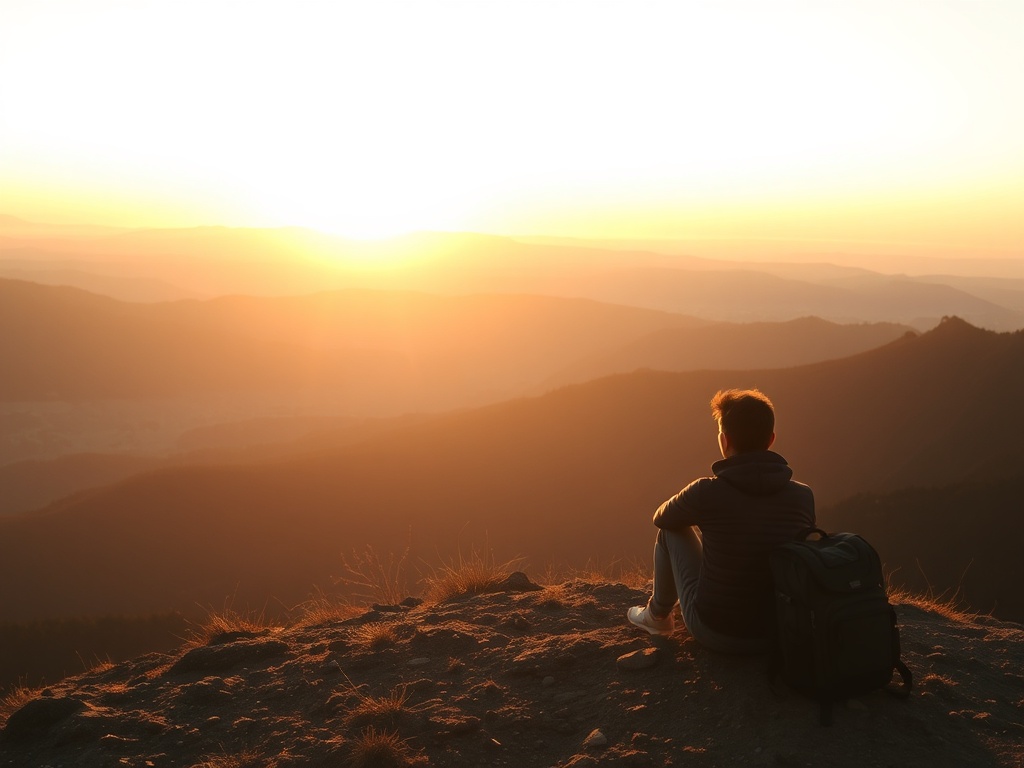
Why Most Trips Feel Blurry After You Get Home
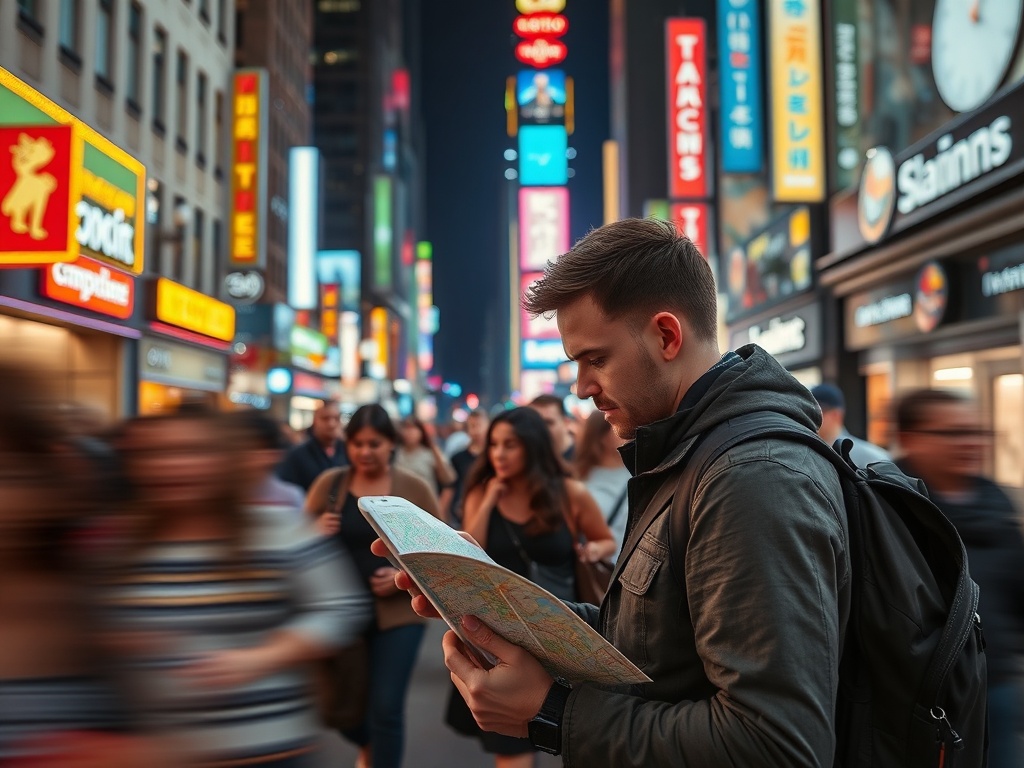
You land somewhere new and immediately switch into checklist mode. Landmarks. Food spots. Hidden gems you saved six months ago. The pressure builds fast: you came all this way, you better make it count.
So you move faster. You stack your days. You rush through moments that should’ve been the whole point.
The result? A strange kind of travel fatigue where everything blends together. You saw a lot, but you didn’t actually experience much.
I’ve done this in cities, national parks, tiny coastal towns. It always ends the same way—great photos, weak memories.
The Quick Tip (That Isn’t Actually Quick)
Cut your daily plans in half. Then commit to staying longer in fewer places.
That’s it. That’s the entire trick.
But here’s how it plays out in real travel:
- Instead of visiting five viewpoints, you pick two—and actually sit at them.
- Instead of hopping cities every day, you stay three nights minimum.
- Instead of racing to the next thing, you leave space for nothing.
Nothing is where travel starts to feel real.
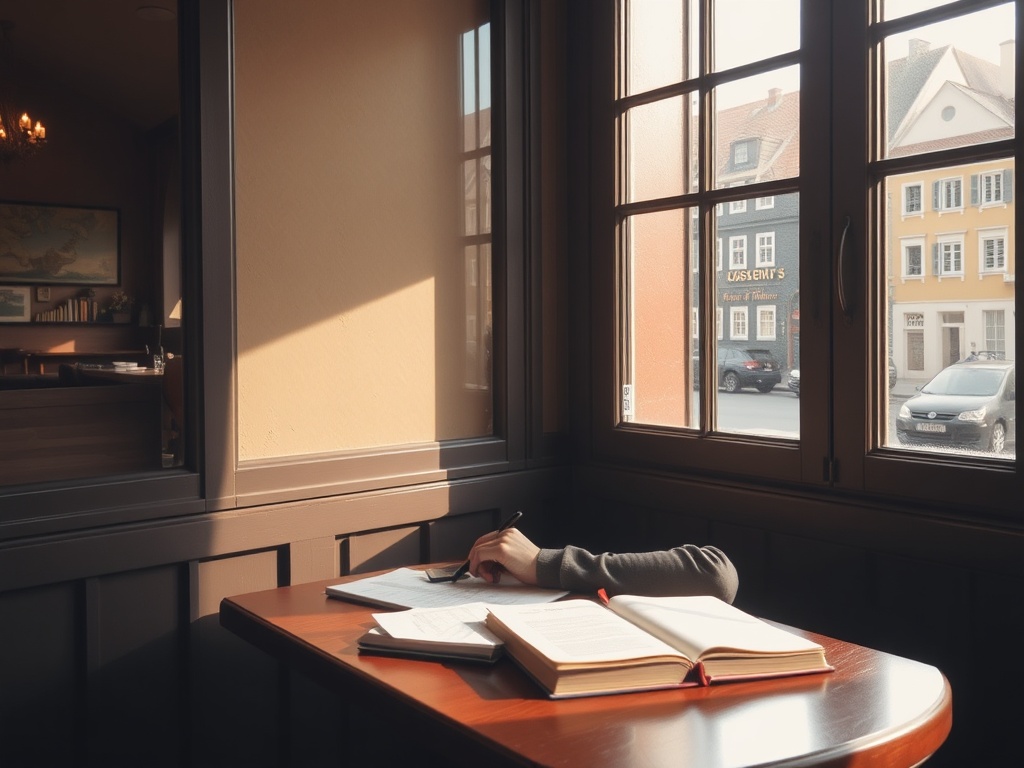
What Slowing Down Actually Unlocks
This isn’t about being lazy. It’s about changing what you notice.
When you slow down, three things happen almost immediately:
1. You start seeing patterns, not just sights
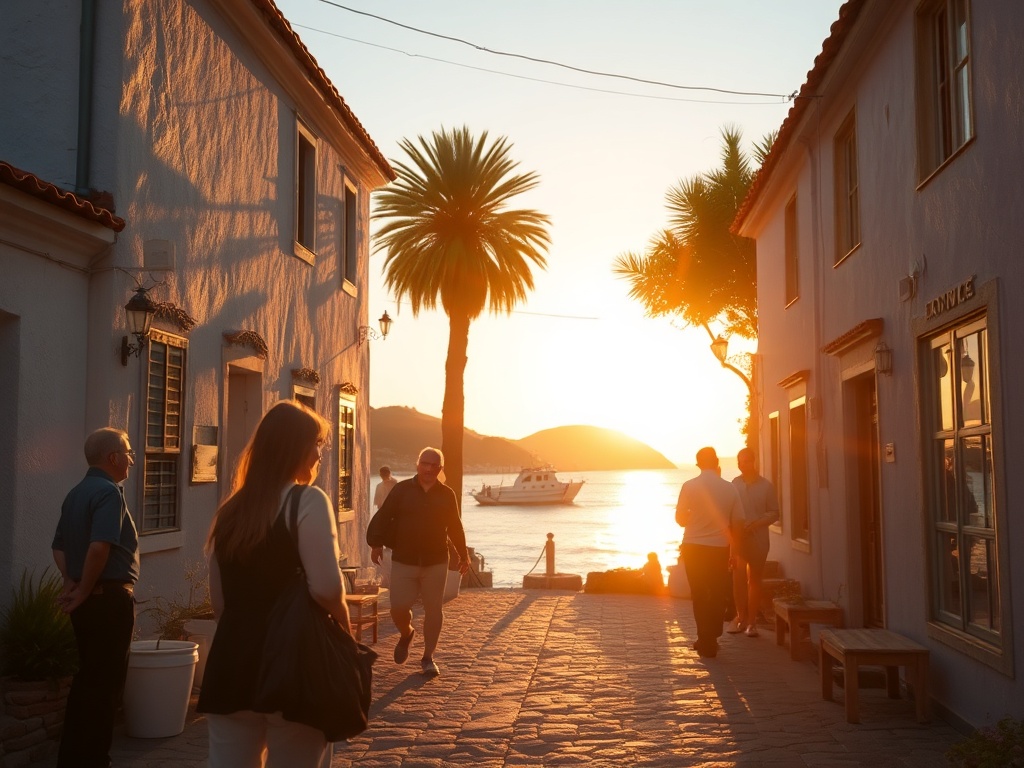
The rhythm of a place reveals itself—when locals eat, how streets change after sunset, what mornings feel like versus evenings.
That’s the stuff guidebooks can’t give you.
2. You become approachable
When you’re not rushing, you linger. And when you linger, conversations happen. A shop owner talks. A stranger gives you a recommendation that isn’t on Google.
Those interactions rarely happen when you’re speed-running a destination.
3. You remember more
Your brain actually has time to process where you are. Moments stick. You can recall the smell of a place, not just the name of it.
Where This Matters Most (And Where It Doesn’t)
Not every trip needs the same pace. Slowing down works best in:
- Small towns where the charm is subtle
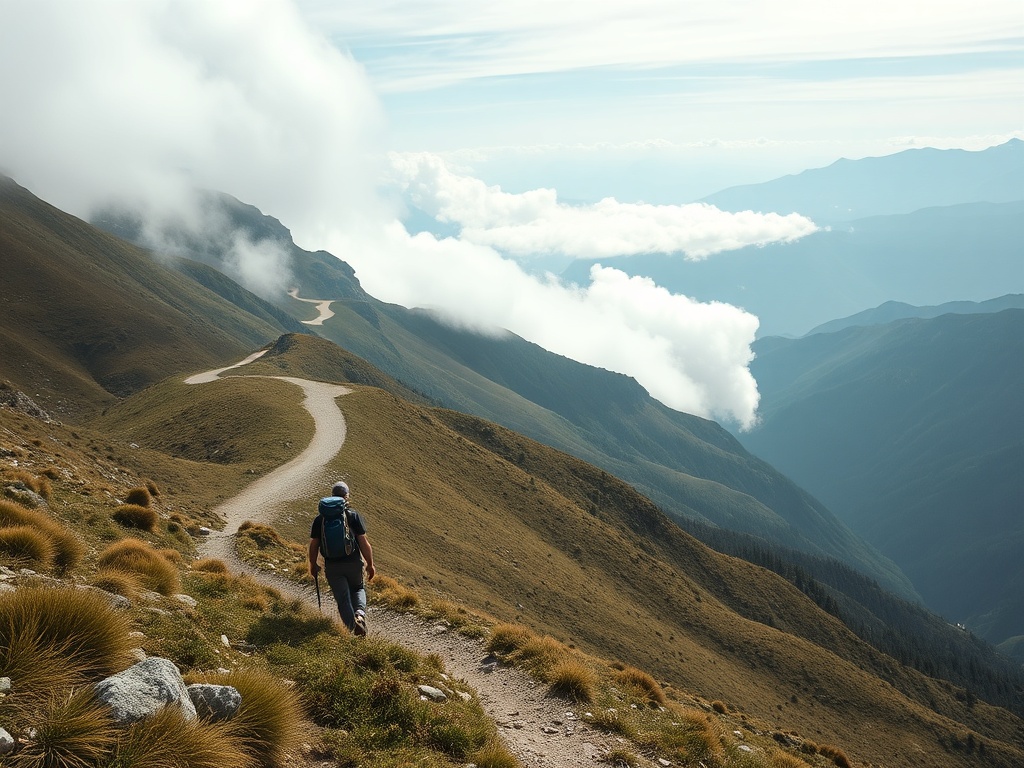
- Nature-heavy trips where timing and light matter
- Culturally rich cities where daily life is the experience
It matters less in places built for quick hits—theme parks, short layovers, one-day stops. You’re not going to “slow travel” a 10-hour stop in Tokyo and magically unlock enlightenment.
But if you have multiple days anywhere? This approach changes everything.
How to Actually Do This Without Feeling Like You’re Missing Out
This is the real barrier. Slowing down feels like you’re wasting opportunity. You’re not—you’re trading quantity for depth.
Here’s how to make it work:
Set a hard cap on daily plans
Pick 2–3 anchor activities per day. That’s it. Everything else is optional.
Build “empty time” into your itinerary
Block hours where nothing is scheduled. Treat it as seriously as a reservation.
Stay longer than feels necessary
If you’re debating between two nights or three, pick three. The third day is where things shift.
Walk more, plan less
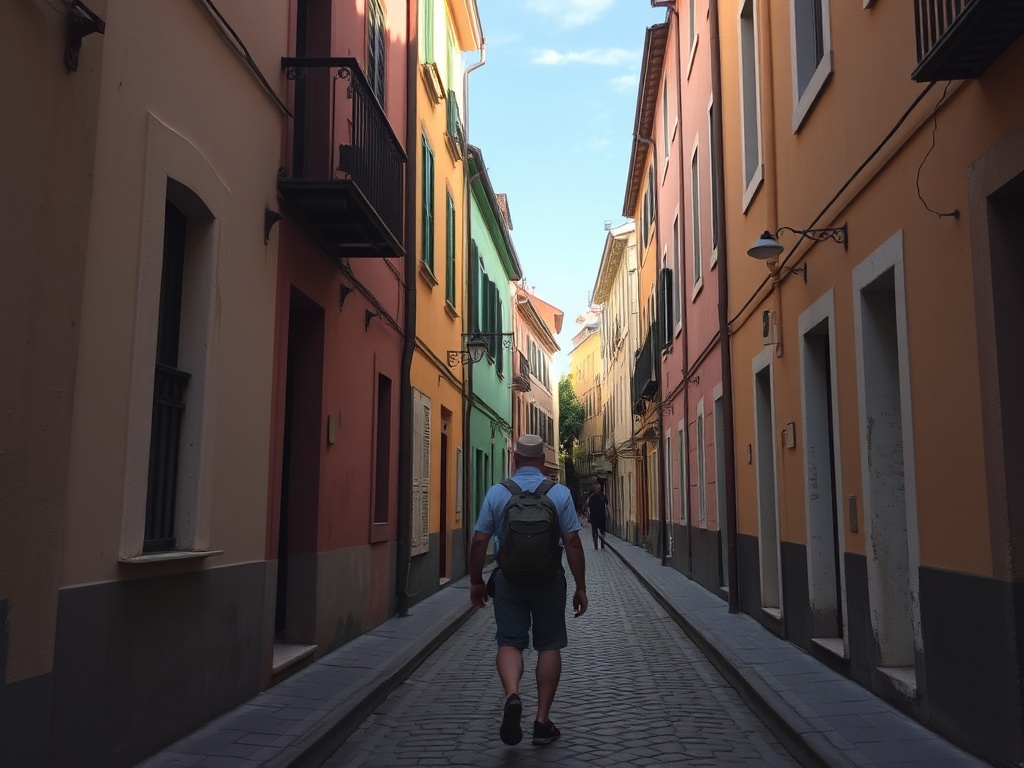
Wandering without a goal sounds inefficient. It’s where most unexpected discoveries happen.
The Part Nobody Tells You
Slowing down can feel uncomfortable at first.
You’ll have moments where you think, I should be doing something right now. That’s just habit. Ignore it.
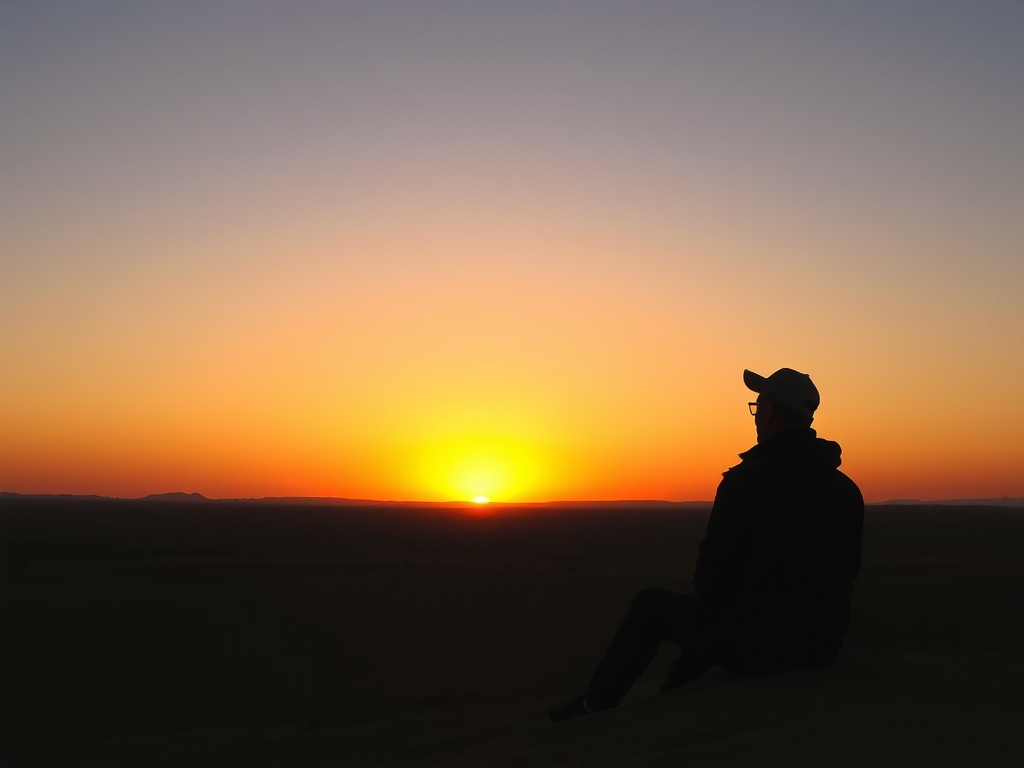
After a day or two, that pressure fades. You start noticing small details again. You stop checking your phone constantly. Time stretches in a way it doesn’t at home.
That’s when travel actually starts working.
One Shift, Better Trips Forever
You don’t need better gear, a bigger budget, or a more exotic destination.
You need fewer plans and more presence.
Slow down deliberately, and you’ll leave with fewer photos—but better stories, stronger memories, and a much clearer sense of where you actually were.
That’s the difference between visiting a place and experiencing it.