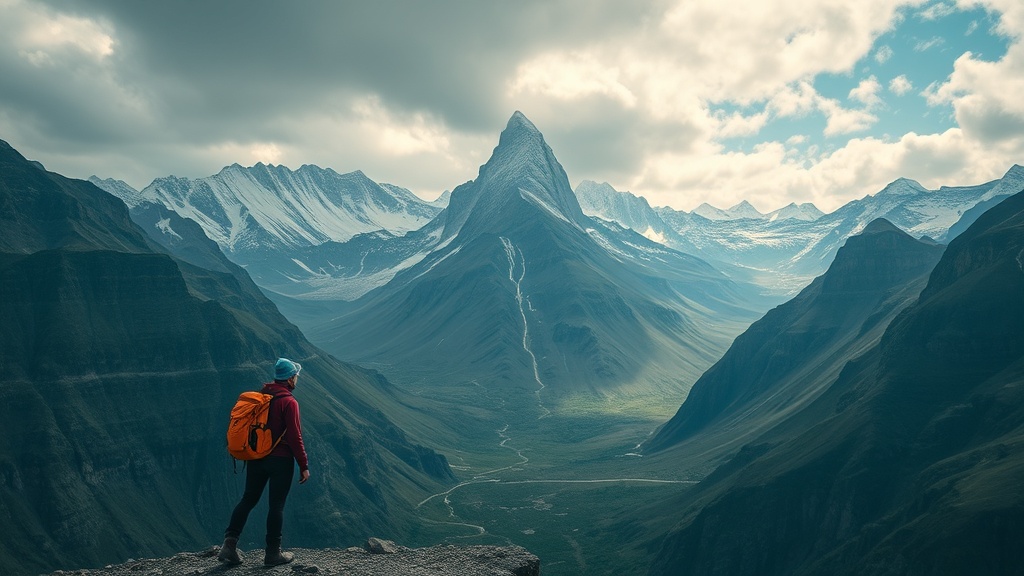
The One Travel Rule That Changes Every Adventure: Go One Layer Deeper Than Everyone Else

Quick Tip
Go one layer deeper than everyone else to turn any trip into a more personal and memorable experience.
Most travel advice is noise. Pack lighter. Wake up early. Avoid tourist traps. You’ve heard it all, and most of it barely moves the needle.
Here’s the rule that actually changes how your trips feel: go one layer deeper than everyone else.
Not extreme. Not reckless. Just one layer deeper than the obvious version of the same place.
That’s where the trip stops feeling like content and starts feeling like yours.
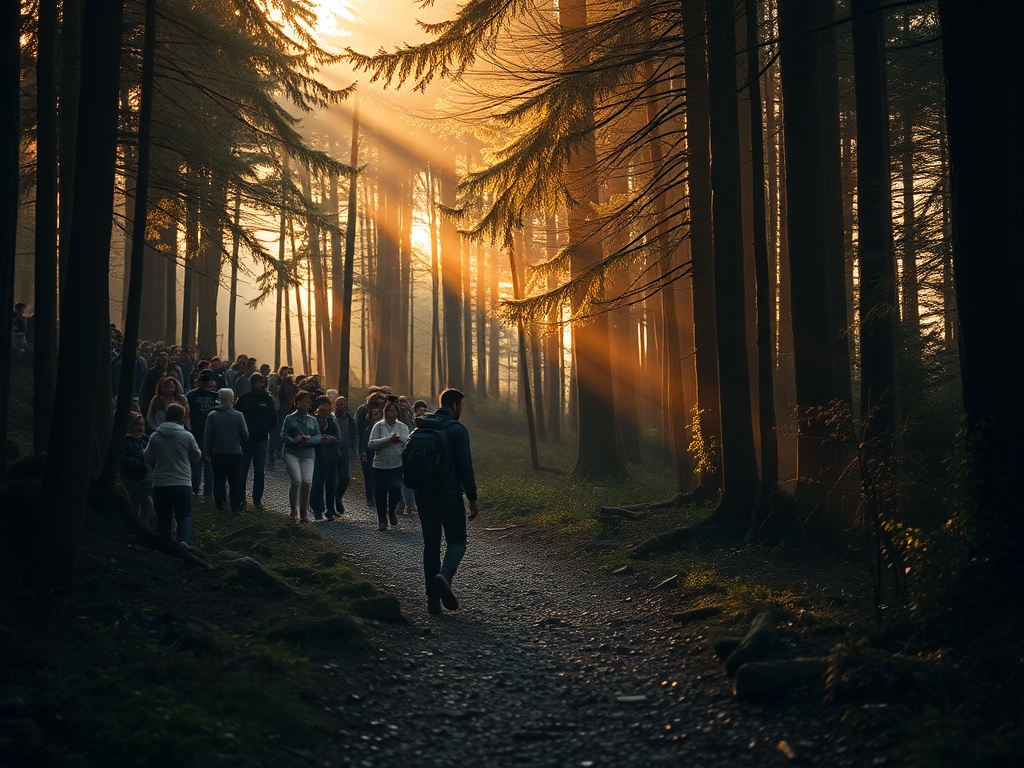
What “One Layer Deeper” Actually Means
Every destination has a surface layer. It’s the version optimized for convenience: easy routes, curated viewpoints, predictable food, polished experiences.
Going one layer deeper doesn’t mean rejecting all of that. It means pushing just past it.
- Walk 10 minutes beyond the viewpoint everyone stops at
- Stay one neighborhood outside the “perfect” area
- Order the dish you can’t pronounce
- Take the road that isn’t marked scenic
It’s a small shift. But it compounds fast.
Because most people stop at the first layer. That’s why it’s crowded.
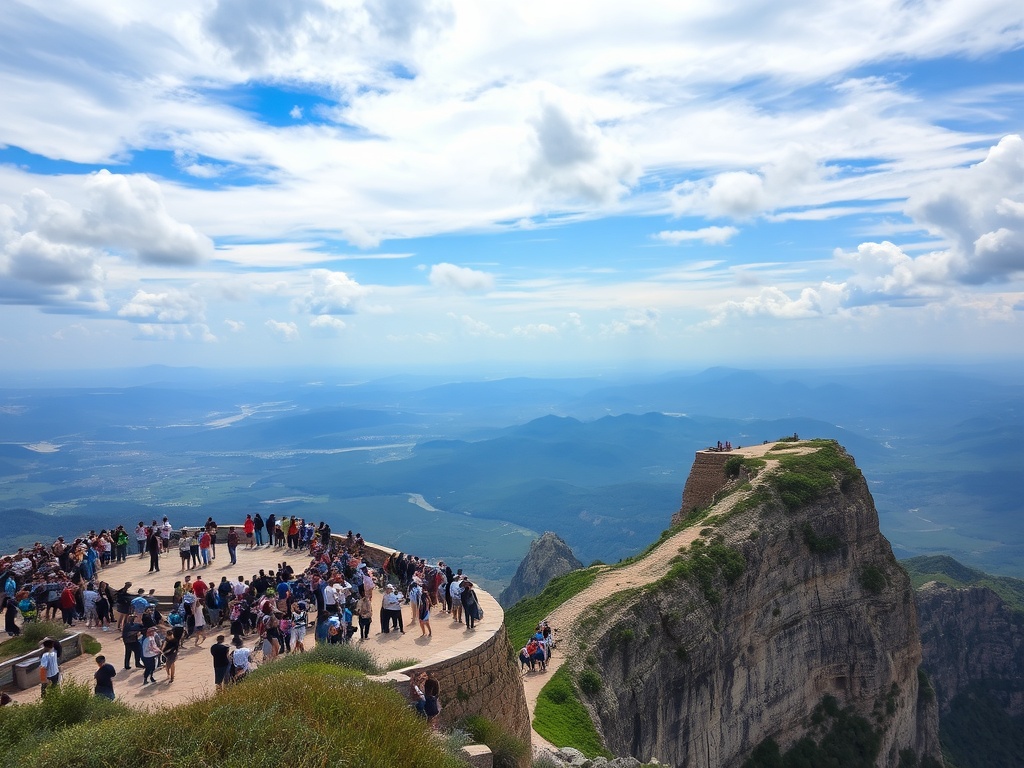
Why This Rule Works (And Why It’s Uncomfortable)
There’s a reason people cluster in the same places: certainty. The surface layer is optimized to remove friction.
Going deeper introduces just enough uncertainty to make things interesting:
- You might get slightly lost
- You might not understand the menu
- You might not know if you’re “doing it right”
That tension is exactly where the memory lives.
The best travel moments aren’t perfectly planned—they’re slightly off-balance.

How to Apply It Anywhere
This isn’t a philosophy you need to overthink. It’s practical, and it works in cities, mountains, deserts, and coastlines.
1. Shift Your Anchor Point
Instead of staying in the most central area, move just outside it. Not far—just enough to change your daily rhythm.
You’ll notice different grocery stores, different cafes, different conversations.
2. Extend the Experience by 20%
Most people hit the highlight and leave. Stay a little longer. Walk a little farther. Take the extra turn.
That extra 20% is where things thin out—and open up.
3. Follow Friction, Not Comfort
If something feels slightly inconvenient but interesting, that’s usually the signal.
The quiet trailhead with no signage. The restaurant with no English menu. The road that looks like it leads nowhere.
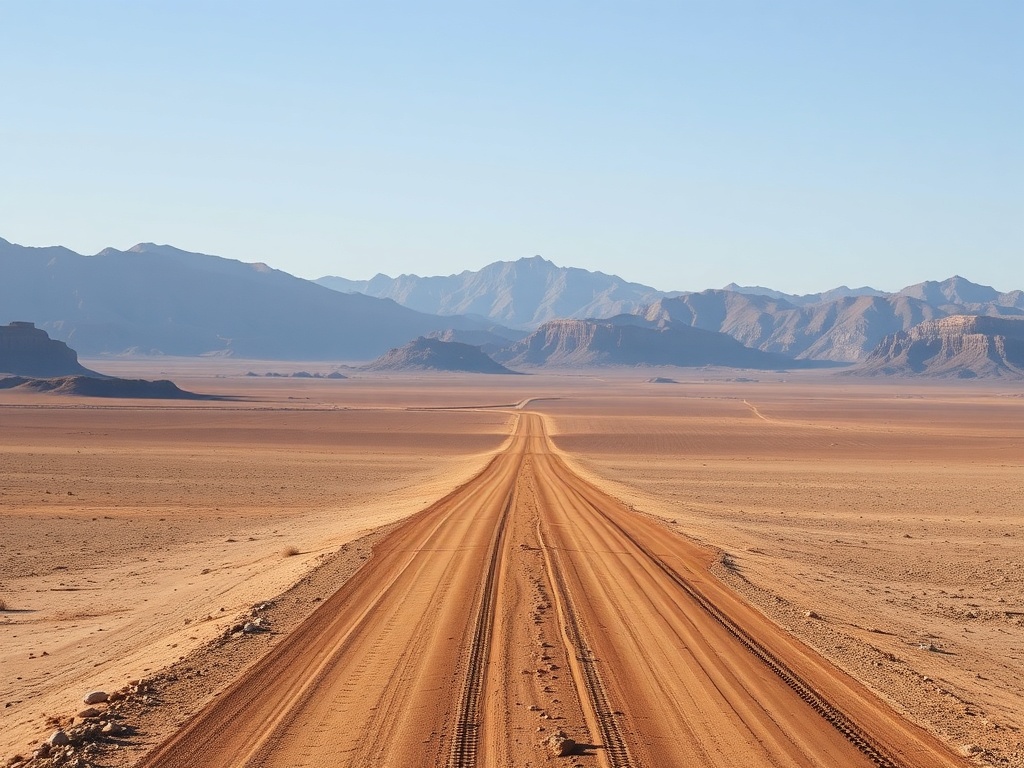
Where This Changes Everything
Some places practically demand this approach.
National Parks
The main viewpoints are there for a reason—they’re stunning. But walk beyond them. Even half a mile can completely change the experience.
Cities
The difference between a tourist city and a real one is often just a few streets. Cross that line.
Road Trips
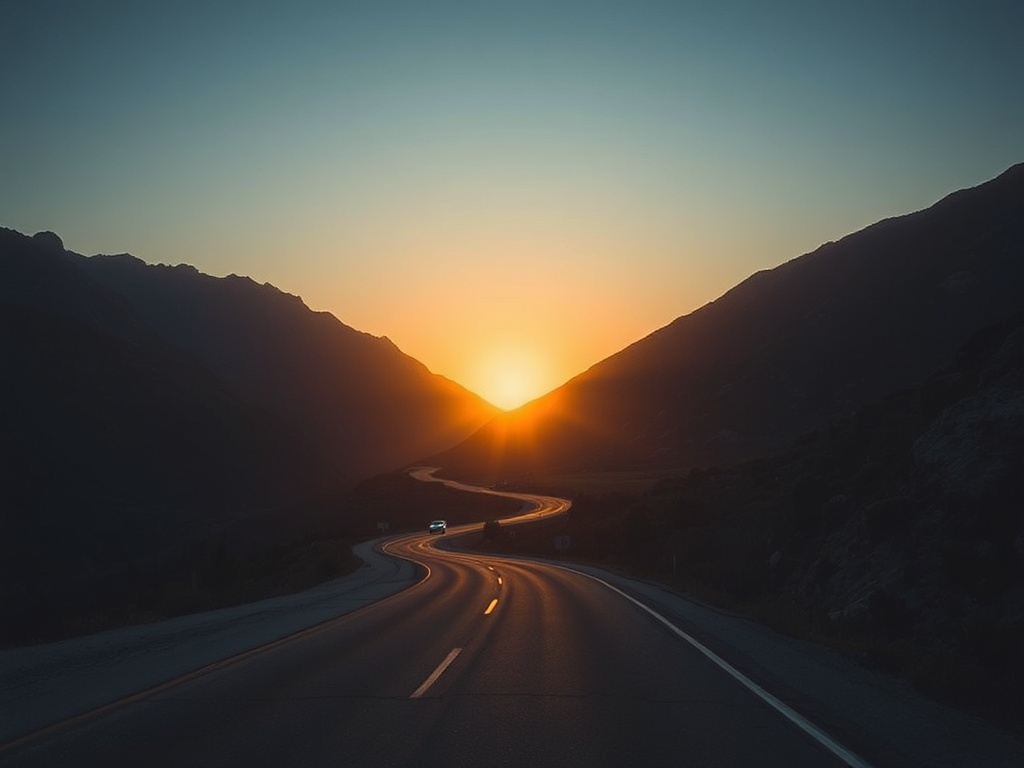
Highways are efficient. Backroads are memorable. Choose accordingly.
What Most People Get Wrong
Going deeper doesn’t mean chasing danger or avoiding everything popular just to feel different.
That’s not the point.
The point is contrast.
See the iconic spot. Then step beyond it.
Eat the famous dish. Then try something unfamiliar.
Use the guidebook—but don’t stop where it stops.
The Payoff: Trips That Actually Stick
A year from now, you won’t remember the perfectly framed photo you took where everyone else stood.
You’ll remember the wrong turn that led somewhere better. The conversation you didn’t expect. The place you almost skipped.
That’s the layer most people never reach.
Final Take
If you only change one thing about how you travel, make it this:
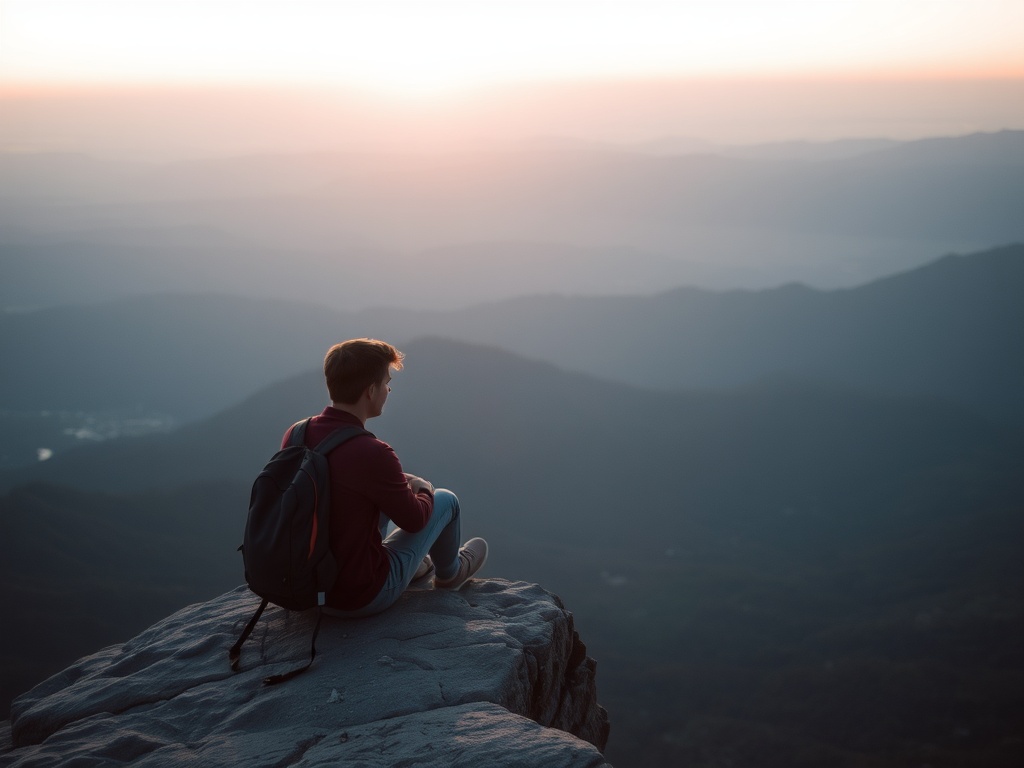
Go one layer deeper than everyone else.
Not dramatically. Not recklessly. Just enough to step out of the default path.
That’s where the trip becomes yours.