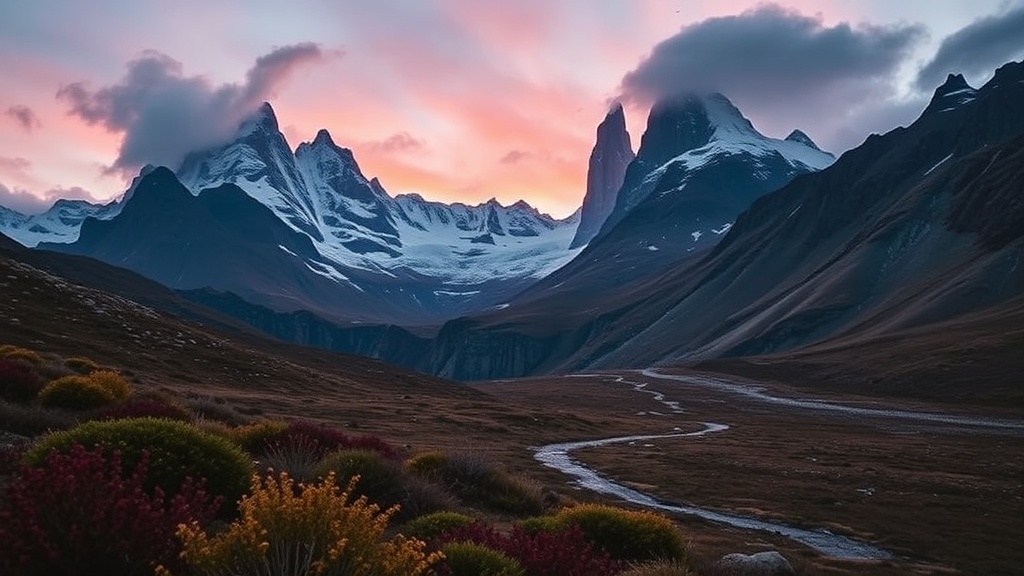
The Complete Guide to Hiking Patagonia's Torres del Paine W Trek

How many days do you need for the W Trek?
Most hikers complete the W Trek in four to five days. The route covers roughly 80 kilometers (50 miles) from trailhead to trailhead, and while experienced trekkers have powered through in three days, that's a sprint—not a vacation.
The "W" shape traces three glacier valleys: Ascencio (to the Towers), Francés (to the French Valley), and Grey (to Grey Glacier). Each valley demands a full day if you want to actually enjoy the scenery rather than just surviving the mileage. Five days breaks down cleanly: one day each for the three main valleys, plus two travel days between trailheads.
Here's the thing—weather in Patagonia doesn't care about your schedule. Gale-force winds can turn a six-hour day into ten hours of misery. Building in a buffer day isn't cautious; it's practical. If the clouds part and the Towers finally reveal themselves, you'll want time to sit there and absorb it.
What's the best time of year to hike Torres del Paine?
December through February offers the most stable weather and longest daylight hours. This is peak summer in the Southern Hemisphere, and the park buzzes with energy—refugios fill up fast, trails see steady traffic, and booking accommodations two to three months ahead isn't just smart, it's mandatory.
That said, shoulder season has its devotees. March brings fewer crowds, autumn colors creeping across the grasslands, and the occasional dusting of snow on the peaks. October and November (spring) deliver wildflower blooms and the return of migratory birds—though mud becomes a genuine adversary after winter snowmelt.
Winter trekking (June through August) is possible but technical. Daylight shrinks to eight hours, temperatures plunge below freezing, and many refugios close entirely. This is not a casual winter hike—it's a serious mountaineering endeavor requiring experience with snow travel and self-sufficiency.
Where should you stay along the W Trek route?
You've got two options: refugios (mountain huts with basic services) or designated campgrounds. The park mandates overnight stays only at these authorized sites—wild camping is prohibited and enforced with fines.
Vertice Patagonia and Fantástico Sur operate the refugios and most campsites along the W Trek. Both companies take online reservations, and during peak season, beds sell out months in advance. Don't expect luxury—these are communal bunk rooms with shared bathrooms, though some offer private rooms at a premium.
The catch? You can't mix and match freely. Each company controls specific sectors, so your itinerary depends on availability across both operators. Planning becomes a logistics puzzle.
| Sector | Operator | Sleeping Options | Approximate Cost (Peak Season) |
|---|---|---|---|
| Torres Central/Serón | Fantástico Sur | Bunk, private room, or camping | $45–$120 USD/night |
| Campamento Francés | Fantástico Sur | Camping only | $15–$20 USD/night |
| Refugio Paine Grande | Vertice Patagonia | Bunk or camping | $35–$95 USD/night |
| Refugio Grey | Vertice Patagonia | Bunk or camping | $40–$100 USD/night |
| Campamento Chileno | Fantástico Sur | Camping only | $15–$20 USD/night |
Worth noting: Camping doesn't mean roughing it entirely. Both companies rent tents and sleeping bags, so you don't need to haul your own gear from home. The MSR Hubba Hubba NX is a popular tent choice for those bringing their own—lightweight, wind-resistant, and quick to pitch when weather deteriorates.
What gear should you pack?
Patagonia's weather operates on a chaos principle. Four seasons in one hour isn't poetic license—it's Tuesday. Layering isn't a suggestion; it's survival.
Start with a waterproof shell. The Patagonia Torrentshell 3L punches above its weight for the price, though hardcore trekkers often swear by Arc'teryx Beta AR jackets. Either way, taped seams and a proper hood matter more than brand names when horizontal rain hits.
For footwear, leave the trail runners at home. The W Trek involves rocky moraines, muddy meadows, and occasional stream crossings. Mid-cut hiking boots with ankle support—think Salomon Quest 4D or Lowa Renegade—provide the stability needed under a heavy pack. Break them in beforehand. Blisters at Campamento Francés ruin the whole experience.
Other non-negotiables:
- Trekking poles (collapsible ones save space on flights)
- Sunscreen and lip balm with SPF—UV reflects off glaciers
- Headlamp with fresh batteries
- Water purification tablets or a filter (streams look pristine but giardia doesn't)
- Four-season sleeping bag if camping, even in summer
How do you actually get to the trailhead?
Most travelers fly into Aeropuerto Internacional Presidente Carlos Ibáñez del Campo in Punta Arenas, then take a bus north to Puerto Natales—the gateway town to Torres del Paine. The bus ride runs about three hours on paved roads. From Puerto Natales, another two hours gets you to the park entrance.
There are two main starting points for the W Trek: Lago Grey (west to east) or Las Torres (east to west). Most hikers choose east to west—starting with the Towers on day one delivers an emotional payoff that carries you through the tougher middle days. That said, starting west means tackling the longest, flattest section first while legs are fresh.
You'll need to book transportation between trailheads if you don't plan to backtrack. Bus Sur and Transporte Gómez operate seasonal shuttle services, but schedules shrink in shoulder season. Check the official Torres del Paine website for current transport links before committing to an itinerary.
What about food and water?
Full board packages at refugios run $50–$70 USD per day and include breakfast, packed lunch, and dinner. The food won't win Michelin stars—think hearty stews, pasta, and plenty of carbs—but after ten miles with a pack, it tastes like paradise.
Self-catering saves money but adds weight. Puerto Natales has well-stocked supermarkets (Unimarc and La Anónima) where you can buy dehydrated meals, nuts, chocolate, and instant coffee. Every refugio sells basic snacks and beer at inflated prices, so stock up in town.
Water is the easy part. Streams throughout the park are generally safe to drink—glacial melt filtered through miles of volcanic rock. Still, carry purification as backup. The Sawyer Squeeze filter screws directly onto standard water bottles and weighs under three ounces.
Do you need a guide?
No—the W Trek is well-marked and heavily trafficked. Orange poles and cairns guide the way, and you'll rarely hike more than thirty minutes without encountering other trekkers. That said, guided trips offer logistics support (they handle bookings, transport, and meals) plus interpretive knowledge about geology and wildlife.
Companies like Intrepid Travel and G Adventures offer week-long guided W Trek packages. Independent hikers save roughly 40% by booking directly with refugios and carrying their own gear. The choice depends on your comfort with logistics and your budget.
Before booking anything, register your trek with CONAF (Chile's national forest corporation). The registration is free, mandatory, and helps park management track visitor numbers for conservation efforts.
"The W Trek isn't about conquering nature. It's about showing up, getting humbled by wind and weather, and still dragging yourself to that viewpoint because the photos don't lie—the place is magic."
Pack patience alongside your rain gear. The Towers might hide behind clouds for days. Grey Glacier could shed ice into the lake while you're eating lunch. Guanacos will stare at you with that condescending llama expression. That's Patagonia. It doesn't perform on demand—and that's exactly why it sticks with you long after the blisters heal.
For current trail conditions and closure updates, bookmark the CONAF Torres del Paine page. Conditions change fast, and the only thing worse than hiking in a storm is hiking on a closed trail.