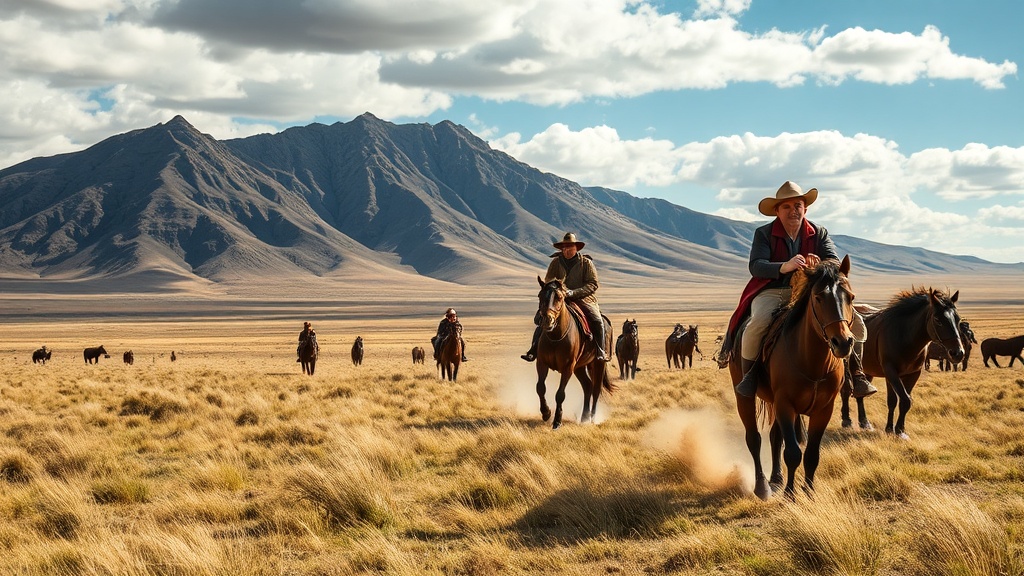
Riding the Winds of the Mongolian Steppe: A Guide to Nomadic Movement

The Unending Horizon of the Mongolian Steppe
Over 80% of Mongolia's territory consists of steppe, a vast expanse of grasslands that defines the very spirit of Central Asian nomadic life. This isn't just a scenic backdrop; it's a living, breathing ecosystem where movement is the only constant. For travelers seeking more than just a photo op, the Mongolian steppe offers a rare chance to witness a way of life that hasn't changed much in centuries. We're talking about a world where the rhythm of the day is dictated by the needs of livestock and the shifting weather patterns of the high plateau.
Traveling through this region requires a complete mental shift. You aren't just visiting a destination; you're entering a space where boundaries are fluid and hospitality is a survival mechanism. Whether you're tracking eagle hunters in the Altai Mountains or staying in a traditional ger, the experience is defined by the sheer scale of the open air. It's a place where the silence is heavy and the stars feel close enough to touch.
What gear do I need for Mongolian steppe travel?
Don't expect luxury, even if you're paying for a guided trek. The weather in the steppe is notoriously fickle—one minute it's blistering sun, the next, a sudden windstorm can drop the temperature by twenty degrees. You'll need a layering system that actually works. I highly recommend high-quality merino wool base layers and a solid windbreaker. Even in summer, the nights are cold.
Since you'll likely be moving between different camps or even riding horses, footwear is your most important investment. A pair of broken-in, waterproof hiking boots is non-negotiable. If you plan on riding, consider bringing your own lightweight riding gloves—the local gear is functional, but your hands will thank you after a few hours of gripping a saddle. Also, don't forget a high-capacity power bank; electricity is a luxury, not a given, when you're deep in the backcountry.
- Robust Footwear: Waterproof boots with ankle support.
- Layering: Windproof outer shells and thermal base layers.
- Hydration: A durable water filtration system for remote areas.
- Sun Protection: High-SPF sunscreen and a wide-brimmed hat.
If you want to understand the geological and cultural depth of the region, the UNESCO World Heritage descriptions of Mongolian landscapes offer great context. Understanding the terrain helps you appreciate why the nomads move the way they do.
Is it difficult to travel without roads?
If your definition of travel involves paved highways and predictable GPS signals, then yes, it will be difficult. Much of the Mongolian interior is accessible only via tracks left by livestock or seasonal weather patterns. You'll likely be relying on 4x4 vehicles or horseback to reach your base camps. This lack of infrastructure is exactly what makes the experience so raw and rewarding.
Expect bumps, dust, and long hours in a vehicle. The "roads" are often just suggestions made by the landscape. However, this isolation is also your greatest asset. It means you won't find crowds of tourists blocking your view of the sunset. You're truly off the grid here. If you're looking for real-time weather patterns to prepare for these shifts, AccuWeather provides decent regional forecasts, though local intuition is often more reliable once you're actually on the ground.
"The steppe is not a place you visit; it is a place you endure, appreciate, and eventually, deeply respect." — Anonymous traveler.
How can I respect local nomadic culture?
Hospitality in a Mongolian ger is a sacred ritual. When you are invited into a home, there are certain unwritten rules that keep the peace and show respect. For instance, always enter through the door and never step on the threshold. When receiving a gift or a bowl of tea, use your right hand—or both hands—to show reverence. It's a small gesture, but it speaks volumes about your awareness.
Another thing to keep in mind: don't be afraid of the smells. A traditional ger often smells of woodsmoke, dried dung, and livestock. This is the scent of a working home, not a museum. Embracing the reality of the environment is part of the adventure. If you're offered fermented mare's milk (airag), try a sip. It's a staple of the diet and a symbol of welcome, even if the flavor is an acquired taste.
Traveling this way isn't about checking boxes on a list. It's about slowing down. It's about the long silences between conversations and the way the light changes the color of the mountains at dusk. It's a rugged, unpolished way to see the world, and that's exactly why it's worth the effort.