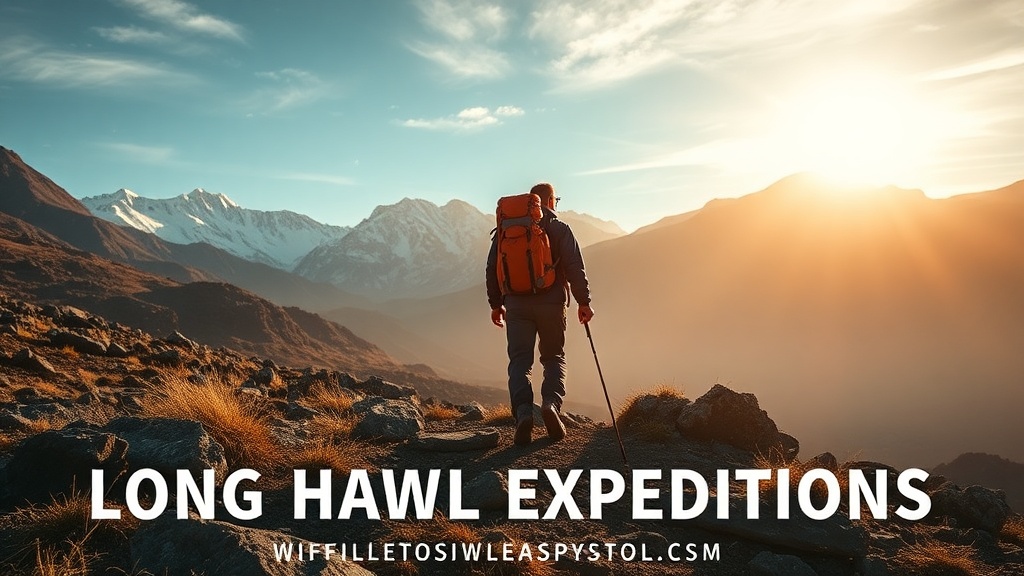
Packing Light for Long Haul Wilderness Expeditions

A hiker reaches the base of a steep, scree-filled ridge, only to realize their 65-pound pack is causing their center of gravity to shift dangerously with every step. They aren't just tired; they're actually unsafe because the weight is pulling them backward on the descent. This is the reality of poor weight management in the backcountry.
Packing light for long-haul wilderness expeditions means prioritizing high-performance, multi-use gear to keep your base weight low without sacrificing safety. This guide breaks down the math of weight reduction, the specific gear categories that matter, and how to audit your kit before you head out. We'll look at how to strip away the "just in case" items that end up weighing you down in the middle of nowhere.
How Do You Calculate Base Weight?
Base weight is the total weight of your gear excluding consumables like food, water, and fuel. To find your number, weigh every single item in your pack—from your tent to your toothbrush—and add them up. If your base weight is over 20 pounds, you're likely carrying gear that could be more efficient.
Most ultralight enthusiasts aim for a base weight under 10 pounds, but for multi-day wilderness expeditions, a realistic goal is often between 12 and 18 pounds. You have to account for the fact that you're carrying more specialized gear for longer durations. A lighter pack doesn't just mean you're faster; it means you're less prone to fatigue-related injuries.
Here is a breakdown of how to categorize your gear to keep track of that weight:
- The Big Three: This includes your shelter, your sleeping system (pad and bag), and your backpack itself. These are usually the heaviest items.
- Kitchen & Water: Your stove, fuel, water filtration, and any cooking vessels.
- Clothing: The layers you wear and the layers you carry (the "just in case" items).
- Electronics & Tools: Headlamps, GPS units, power banks, and repair kits.
It’s easy to get obsessed with the numbers, but don't forget that comfort matters too. If a slightly heavier, more comfortable pack prevents a blister that ruins your trip, that weight was worth it.
What Gear Should You Carry for a Long Expedition?
You should carry high-quality, multi-functional gear that serves at least two purposes to keep your pack light. For example, a heavy down jacket can serve as your insulation and your pillow if you use a stuff sack. The goal is to eliminate single-use items that don't provide much utility.
When choosing gear, look for brands that specialize in weight-to-strength ratios. The Patagonia philosophy of durability is great, but for sheer weight savings, you might look at specialized ultralight brands. For instance, a high-end tent from Big Agnes or a lightweight sleeping pad from Therm-a-Rest can save you several pounds compared to standard camping gear.
The following table compares standard gear versus ultralight alternatives to show you where the weight savings actually live:
| Item Category | Standard Gear (Approx. Weight) | Ultralight Alternative (Approx. Weight) |
|---|---|---|
| Backpack | 5.0 lbs (Internal Frame) | 1.5 lbs (Lightweight Scrambled) |
| Tent | 4.5 lbs (3-Season Tent) | 1.8 lbs (Single Wall/DCF Tent) |
| Sleeping Bag | 3.0 lbs (Standard Down) | 1.2 lbs (High-Fill Power Down) |
| Cooking Stove | 1.0 lb (Standard Canister Stove) | 0.2 lb (Titanium Alcohol/Small Stove) |
That said, don't go so light that you're unprepared for a sudden weather shift. If you're heading into the backcountry, you need to follow the National Park Service guidelines for safety and preparedness. A "light" pack is useless if you're stuck in a storm without a proper shell.
The Layering System: Weight vs. Warmth
Instead of packing five different heavy items, pack three high-performance layers. This is the most effective way to manage temperature without adding bulk. You'll want a base layer that wicks moisture, a mid-layer for insulation, and a shell that blocks wind and rain.
I always recommend the "one heavy, one light" rule. Carry one heavy insulation piece (like a high-quality down puffy) for camp, and one lightweight wind/rain shell for movement. This prevents you from carrying multiple jackets that you'll never actually use at the same time.
One mistake I see constantly? People packing "just in case" clothes. If you're a seasoned hiker, you don't need three pairs of extra socks. You need one pair of high-quality wool socks (like Darn Tough) and one spare pair. That's it.
How Do You Avoid Overpacking?
Audit your gear by laying everything out on your floor and removing anything that doesn't have a specific, necessary function. If you can't name a specific reason why an item is in your pack, leave it behind. This "forced subtraction" method is the most brutal but effective way to slim down your kit.
The biggest culprit for weight creep is the "What If" mentality. "What if I get a cold?" "What if I need a different tool?" Most of these scenarios are better handled by being more prepared for the actual environment rather than carrying a museum of possibilities. If you're truly worried about an emergency, carry a small, lightweight first aid kit—not a whole pharmacy.
Before you head out, check your plan against official weather forecasts and terrain maps. Knowing the terrain helps you realize you don't need that heavy shovel if you're staying on established trails, or that you definitely do need the extra water capacity if the route is dry. Understanding your environment makes your packing decisions much more intuitive.
If you find yourself struggling with the logistics of your trip, it might be helpful to look at how to plan an adventure trip that doesn't fall apart. Proper planning reduces the need for "emergency" gear because you've already accounted for the variables.
One final tip: weight is relative. A 2-pound item feels much heavier after 15 miles of elevation gain than it does in your living room. When you're standing in your garage, pick up your pack and walk around the block. If it feels heavy now, it'll be a nightmare by day three.
Don't be afraid to invest in better gear. A more expensive, lighter tent might feel like a luxury, but in the context of a 10-day expedition, it's a functional necessity for your physical well-being. A lighter load means a more focused mind and a more enjoyable experience in the wild.