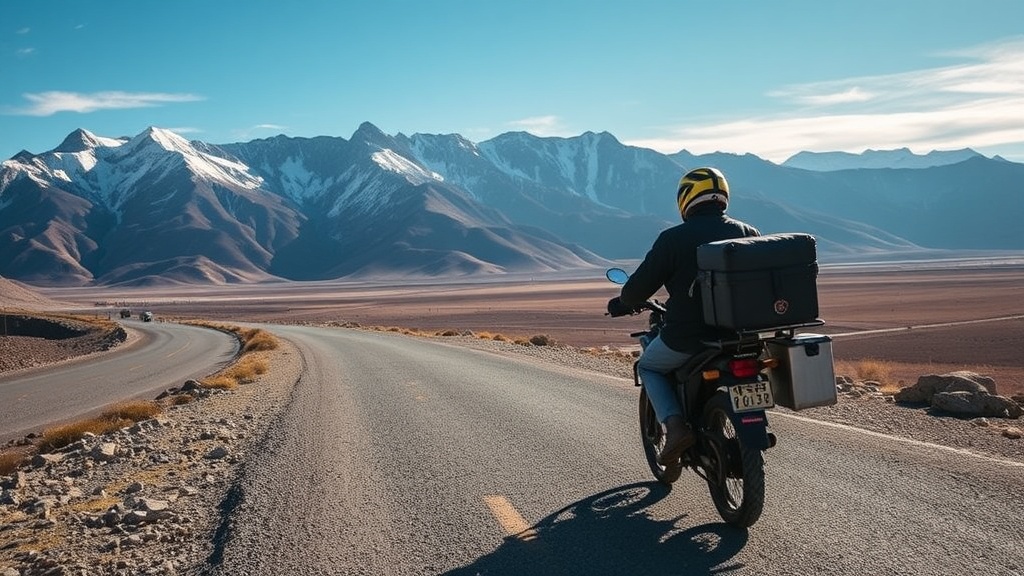
Navigating the High Altitudes of the Pamir Highway

Many travelers assume that high-altitude trekking requires a specialized mountaineering permit or a professional guide to survive the Pamir Highway. That's not true. While the terrain is punishing, the M41 highway is a public road that anyone with a reliable vehicle can traverse. This guide focuses on the logistical realities of altitude sickness, vehicle requirements, and the specific gear needed to handle the extreme shifts in temperature and oxygen levels across Tajikistan and Kyrgyzstan.
What is the best way to handle altitude sickness on the Pamir Highway?
The most effective way to handle altitude sickness is to ascend slowly and prioritize hydration through consistent, incremental elevation gains. You can't rush this part. If you feel a headache or nausea, stop moving upward immediately.
Most people think drinking more water is enough, but you also need to manage your electrolyte levels. I've found that carrying electrolyte tablets—like those from SaltStick—makes a massive difference when you're sweating in the sun and then freezing at night. Don't ignore the early signs of AMS (Acute Mountain Sickness). If you feel dizzy, it's a sign your body isn't coping with the thin air.
It's also worth noting that many travelers rely on Diamox. While it's a common pharmaceutical aid, you should consult a medical professional before your trip to see if it's right for you. It isn't a magic pill that lets you skip acclimatization; it's just a tool to help your body adjust.
A few tips for staying upright:
- Avoid alcohol: It dehydrates you and masks the symptoms of altitude sickness.
- Eat small meals: Your digestion slows down at high altitudes.
- Monitor your breathing: If you're gasping for air while sitting still, you've gone too high too fast.
What kind of vehicle do I need for the M41?
A high-clearance 4x4 vehicle with a diesel engine is the only reliable option for the entire length of the Pamir Highway. While some sections are paved, the most iconic parts of the route involve heavy gravel, deep washouts, and river crossings that will destroy a standard sedan or a low-clearance crossover.
I've seen too many people try to take a budget rental and end up stuck in the middle of nowhere with no cell service. That's a recipe for disaster. If you're driving yourself, you need a vehicle with significant torque and a high ground clearance. A Toyota Land Cruiser or a Nissan Patrol are the gold standards here for a reason. They can handle the vibrations and the uneven-ness of the mountain passes without breaking a sweat.
Make sure your vehicle is equipped with a full-sized spare tire. A "donut" spare won't do you any good on a jagged mountain road. You'll also want to carry basic recovery gear like a shovel and a kinetic recovery strap. Even if you're a great driver, the terrain is unpredictable. One bad rock can change your entire day.
| Vehicle Type | Suitability | Risk Level |
|---|---|---|
| Sedan / Compact Car | Very Low | Extreme (High chance of damage) |
| Crossover / SUV (Low Clearance) | Moderate | High (Risk of bottoming out) |
| 4x4 with High Clearance | High | Low (Standard for the region) |
| Very High | Very Low (Ideal for the M41) |
How much money should I budget for the Pamir Highway?
Budgeting for the Pamir Highway depends heavily on whether you are hiring a driver or driving yourself, but you should expect to spend between $50 and $100 per day for food and local expenses. If you are driving a private vehicle, you need to factor in the much higher cost of fuel and potential repairs.
Fuel is one of the biggest variables. Prices fluctuate based on where you are in Tajikistan or Kyrgyzstan, and in more remote areas, finding high-quality diesel can be a challenge. I always suggest carrying extra fuel canisters if you're traveling solo. It's better to have it and not need it than to be stuck waiting for a tanker in a mountain pass.
Accommodation varies wildly. You'll likely stay in a mix of "homestays"—which are essentially local guesthouses—and basic mountain lodges. These are much more affordable than hotels in Dushanbe or Bishkek. If you're curious about how to manage costs for longer-term adventures, you might find my thoughts on sustainable adventure travel helpful for balancing budget and impact.
Here is a rough breakdown of daily costs (USD):
- Budget Solo Traveler: $30 - $45 (Local food, basic guesthouses, public transport)
- Comfortable Adventurer: $60 - $90 (Better guesthouses, more varied meals, private driver)
- Premium/Self-Drive: $120+ (High-end 4x4 rental, specialized gear, private guides)
Don't forget to carry plenty of small denominations of local currency. Credit cards are almost non-existent once you leave the main hubs. You'll need cash for everything from a bottle of water to a small souvenir. It's also wise to keep a small amount of USD in pristine condition; sometimes, in extreme remote areas, it can act as a fallback for unexpected expenses.
When it comes to clothing, do not skimp. The weather changes in minutes. I use the layering system religiously. A heavy down jacket like the Patagonia Downdrift or a similar high-loft insulated jacket is a lifesaver when the sun goes down. Even in summer, the temperature can plummet below freezing once the sun dips behind the peaks. Your base layers should be merino wool—avoid cotton at all costs. Cotton stays wet, and wetness leads to hypothermia in high-altitude environments.
The Pamir Highway isn't just a road; it's a test of your preparation. You can't just show up and hope for the best. You need to respect the altitude, the vehicle requirements, and the sheer isolation of the region. If you prepare well, the view from the high passes is worth every bit of the effort.