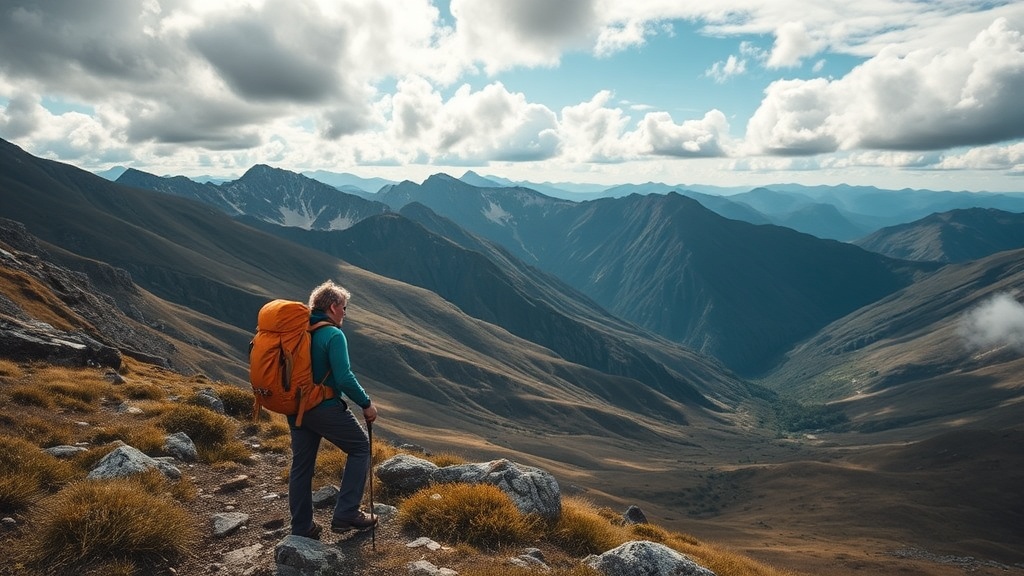
Low-Impact Trekking: Protecting Remote Wilderness Areas

What is low-impact trekking and why does it matter?
This guide covers the practical methods for minimizing your footprint while exploring remote wilderness. You'll learn how to select gear, manage waste, and respect local ecosystems so these wild spaces remain untouched for future adventurers. Whether you're heading into a desert or a rainforest, the goal is to leave the environment exactly as you found it.
Low-impact trekking isn't just about picking up litter. It's a mindset that starts long before you hit the trail. It involves choosing gear that lasts, planning routes that don't disrupt wildlife, and understanding how your presence affects the ground beneath your feet. When we visit remote areas, our impact is often magnified. A single misplaced tent or a campfire left too hot can cause damage that takes decades to repair.
The concept of Leave No Trace is the foundation of all sustainable outdoor movement. It's not a set of rigid rules meant to limit your fun; it's a framework to ensure the places we love don't disappear. As Earth Day approaches, it's the perfect time to rethink how we interact with the wild. We aren't just visitors; we're temporary guests in these delicate systems.
Choosing Sustainable Gear
Your kit has a massive influence on your environmental footprint. One of the best ways to practice low-impact travel is to invest in high-quality, durable gear rather than cheap, disposable alternatives. A heavy-duty tent or a pair of rugged hiking boots might cost more upfront, but they won't end up in a landfill after one season. Look for brands that prioritize repairability and use recycled materials.
Consider the materials in your clothing too. Synthetic fabrics can shed microplastics during washing, so if you're prepping gear before a trip, try using a specialized wash bag. For those traveling to sensitive areas, choosing biodegradable soaps and sunscreens is a non-negotiable. Many standard sunscreens contain chemicals that bleach coral reefs or harm aquatic life; look for reef-safe options if your trek involves coastal or riverine environments.
How can I manage waste in the backcountry?
Managing human waste and trash is perhaps the most challenging part of remote trekking. In many high-altitude or desert environments, even organic waste doesn't decompose quickly. You might need to carry a trowel to dig a "cathole" at least 6 to 8 inches deep, or in some ultra-sensitive areas, you may be required to pack out all human waste using a waste kit. It's not glamorous, but it's a standard part of responsible movement.
Regarding trash, the rule is simple: if you brought it in, it comes back out. This includes tiny scraps like orange peels or even organic matter like coffee grounds. These items can attract wildlife to trails or introduce non-native nutrients into a starved ecosystem. A good tip is to pre-package your food into reusable silicone bags or lightweight containers to reduce the amount of packaging you're carrying in the first place.
- Carry a dedicated trash pouch: A small, sealable bag for food scraps and wrappers.
- Use reusable containers: Minimize single-use plastics during your trip.
- Pack out everything: Even the things that feel "natural" like eggshells.
Where can I find reliable information on trail regulations?
Before you set foot on a new trail, you must check the specific rules for that region. Regulations vary wildly between a National Park in the US and a remote trekking circuit in Nepal. Some areas might have strict seasonal closures to protect nesting birds or wildlife-breeding cycles. Ignoring these can lead to heavy fines or, more importantly, the destruction of a habitat.
Always check the official government or park authority websites for your destination. For example, the National Park Service provides extensive documentation on how to protect wildlife and interact with natural spaces safely. Similarly, if you're planning a trek in the Himalayas, look for local trekking associations that set standards for environmental protection. Knowing the rules isn't just about legality; it's about being a respectful guest.
How do I avoid disturbing local wildlife?
Observation is a huge part of adventure, but it should never come at the cost of an animal's safety. If you see wildlife, give them plenty of space. A good rule of thumb is to stay far enough away that the animal doesn't change its behavior. If an animal stops feeding or starts looking at you, you're too close. Using binoculars or a long telephoto lens is a much better way to get a close look without physically intruding on their space.
Feeding wildlife is strictly forbidden in almost every remote trekking area. It creates a dangerous dependency on humans and can lead to animals becoming aggressive or dying from eating processed human food. It might seem harmless to toss a piece of trail mix to a bird or a monkey, but it disrupts their natural foraging patterns and can be fatal.
| Action | Low-Impact Approach |
|---|---|
| Camping | Stick to established sites or durable surfaces. |
| Water | Filter water from sources away from the bank. |
| Pathways | Stay on the marked trail; don't create "social trails." |
| Fire | Use a portable stove instead of building a campfire. |
By following these practices, we ensure that the wild places we seek out today will still be wild tomorrow. Adventure travel is a privilege, and the best way to honor that privilege is through disciplined, thoughtful movement through the natural world.