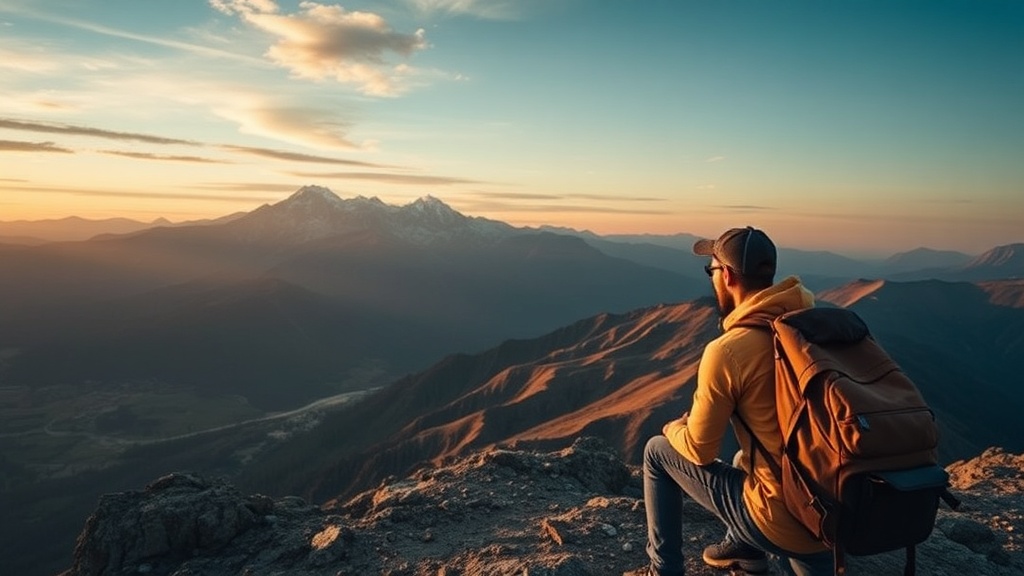
How to Plan an Offbeat Adventure Trip Without Losing Your Mind

Most travel guides assume you want convenience. Flights lined up, hotels pre-booked, itineraries tight enough to squeeze the spontaneity out of the experience. That’s not what this is.
This is for the kind of trip where the road bends unexpectedly, where you detour because a stranger told you about a place that doesn’t exist on Google Maps, and where things go wrong—but in ways that make the story better later.
Planning an offbeat adventure trip isn’t about eliminating uncertainty. It’s about controlling just enough of it so the chaos stays fun instead of stressful.
Step 1: Choose a Destination That Isn’t Trying to Impress You
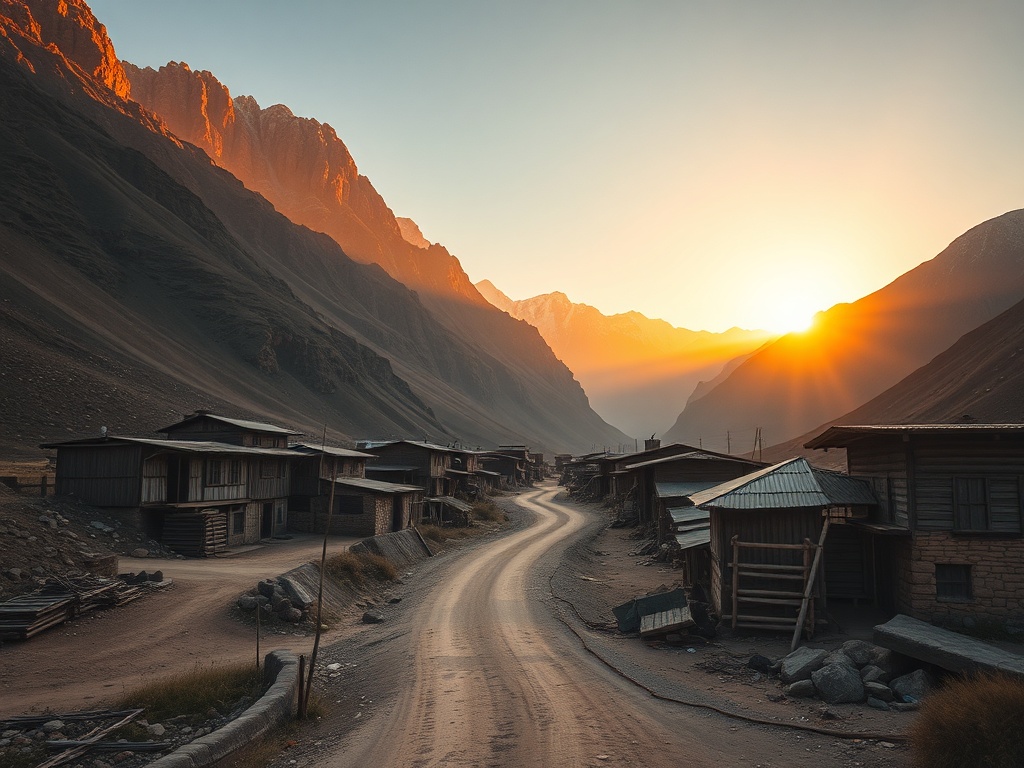
If a place is aggressively marketed, it’s probably not what you’re looking for. The sweet spot sits just outside the spotlight—regions overshadowed by famous neighbors or destinations that require one extra step to reach.
Start with a known region, then zoom in. Instead of Iceland, look at the Westfjords. Instead of Bali, consider Flores. Instead of Banff, explore lesser-known areas of the Canadian Rockies where the crowds thin out.
What you’re looking for:
- Limited but existing infrastructure
- Locals who aren’t exhausted by tourism
- Natural or cultural features that aren’t packaged
If it takes a bus, a ferry, and a questionable dirt road to get there, you’re probably on the right track.
Step 2: Build a Flexible Itinerary (Not a Rigid Plan)

Rigid itineraries break the moment reality shows up. Offbeat travel rewards flexibility.
Instead of booking every detail, anchor your trip with just a few fixed points:
- Your arrival and departure
- The first 1–2 nights of accommodation
- One or two must-see experiences
Everything else stays adjustable. Leave gaps. Those gaps are where the best parts happen.
Think in terms of routes, not schedules. You’re moving from Point A to Point B, but how you get there—and what you discover in between—is open.
Step 3: Pack Like You Expect Things to Go Sideways
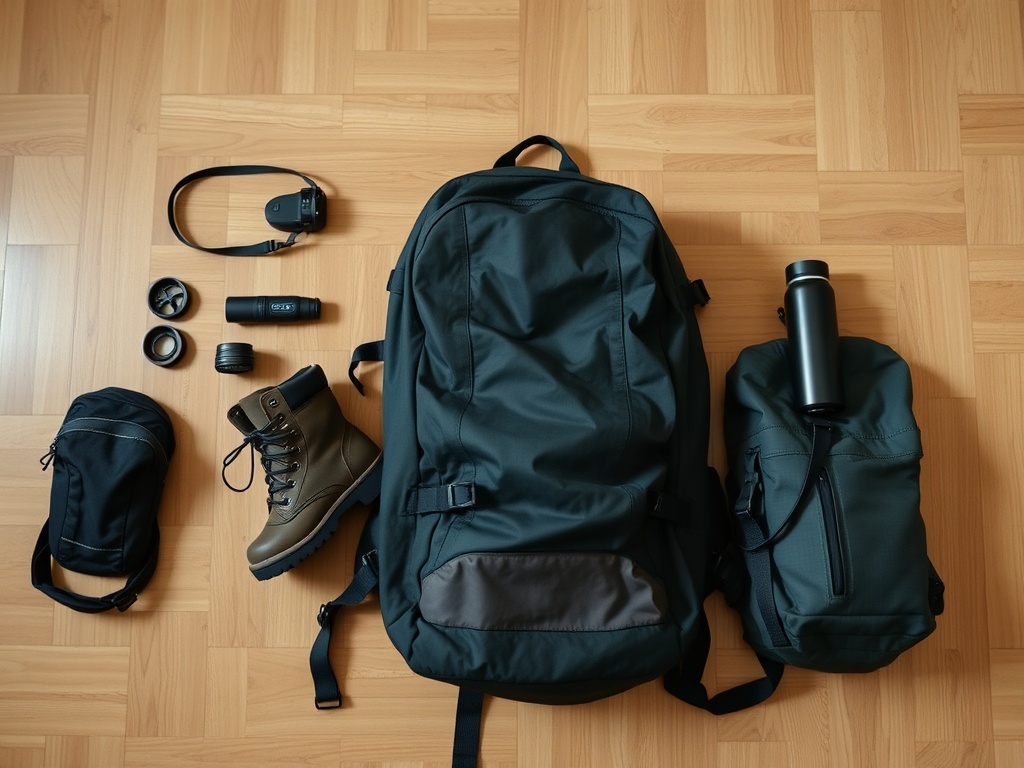
Overpacking slows you down. Underpacking leaves you stuck. The goal is resilience.
Essentials for offbeat travel:
- A durable, carry-on-sized backpack
- Layered clothing for unpredictable weather
- A headlamp (not your phone flashlight)
- A compact first aid kit
- Offline maps and a power bank
Skip anything that requires perfect conditions. You want gear that works when plans don’t.
Step 4: Understand Local Logistics Before You Arrive

This is where most people mess up. They assume transportation works the same everywhere.
It doesn’t.
In offbeat destinations, buses leave when they’re full. Ferries run on weather. Roads may or may not exist in the way maps suggest.
Before you go, figure out:
- How people actually get around (ask forums, not brochures)
- Whether you need cash—and how much
- What happens if you miss the last ride of the day
The goal isn’t perfection. It’s avoiding preventable mistakes.
Step 5: Learn Just Enough of the Local Culture
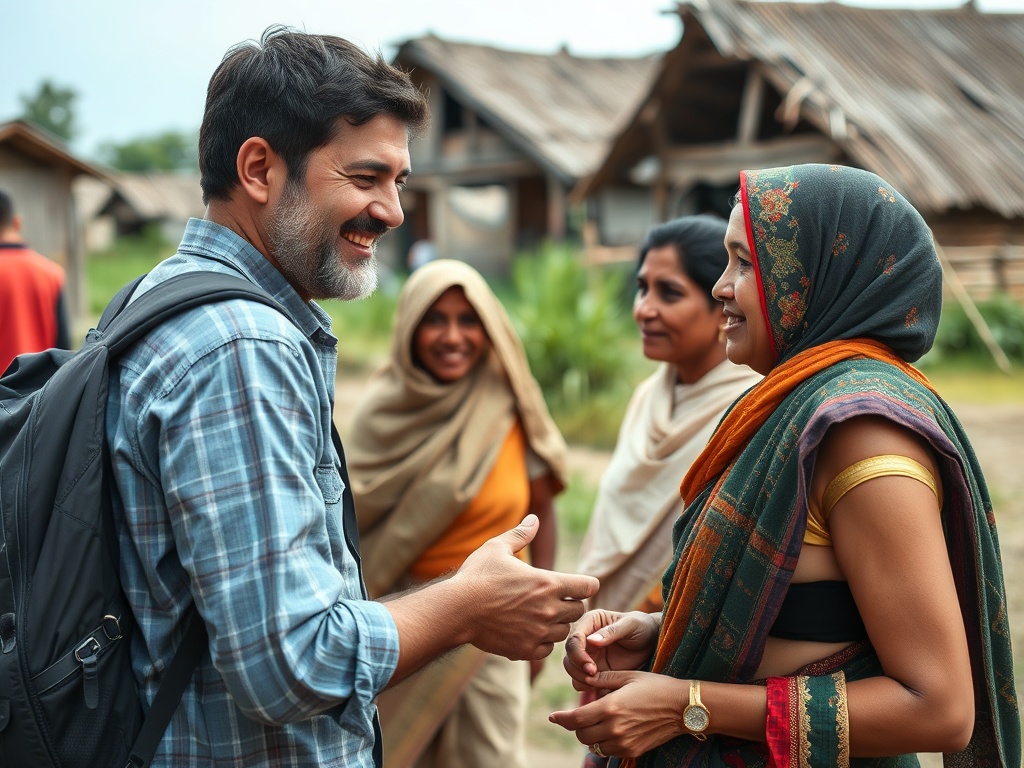
You don’t need fluency, but you do need awareness.
Learn a handful of phrases. Understand basic etiquette. Know what’s considered rude versus respectful.
This isn’t about being polite for the sake of it—it directly affects your experience. People open up differently when you make even a small effort.
And in offbeat places, local connections often matter more than any guidebook.
Step 6: Embrace Slow Travel (Even If It Feels Inefficient)
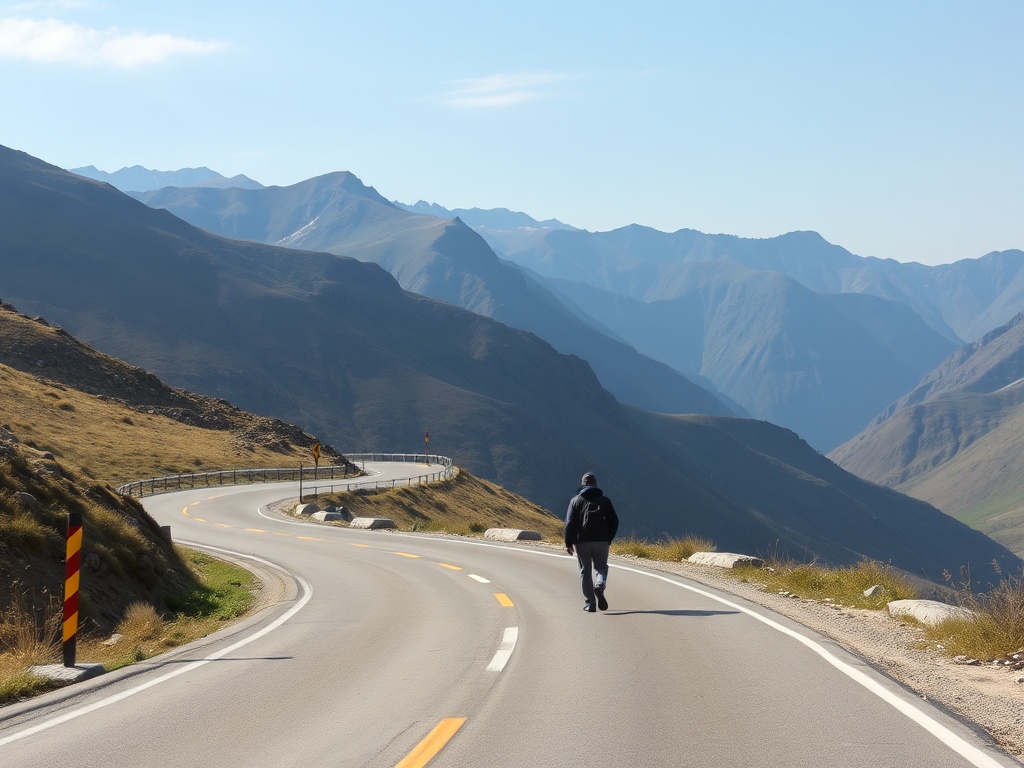
Speed kills offbeat travel.
If you’re rushing, you’ll miss the subtle things—the conversations, the hidden trails, the moments that don’t show up on itineraries.
Stay longer than you think you should. Sit in places without doing anything. Let time stretch.
This is where the trip shifts from a checklist to an experience.
Step 7: Have a Backup Plan (But Don’t Obsess Over It)
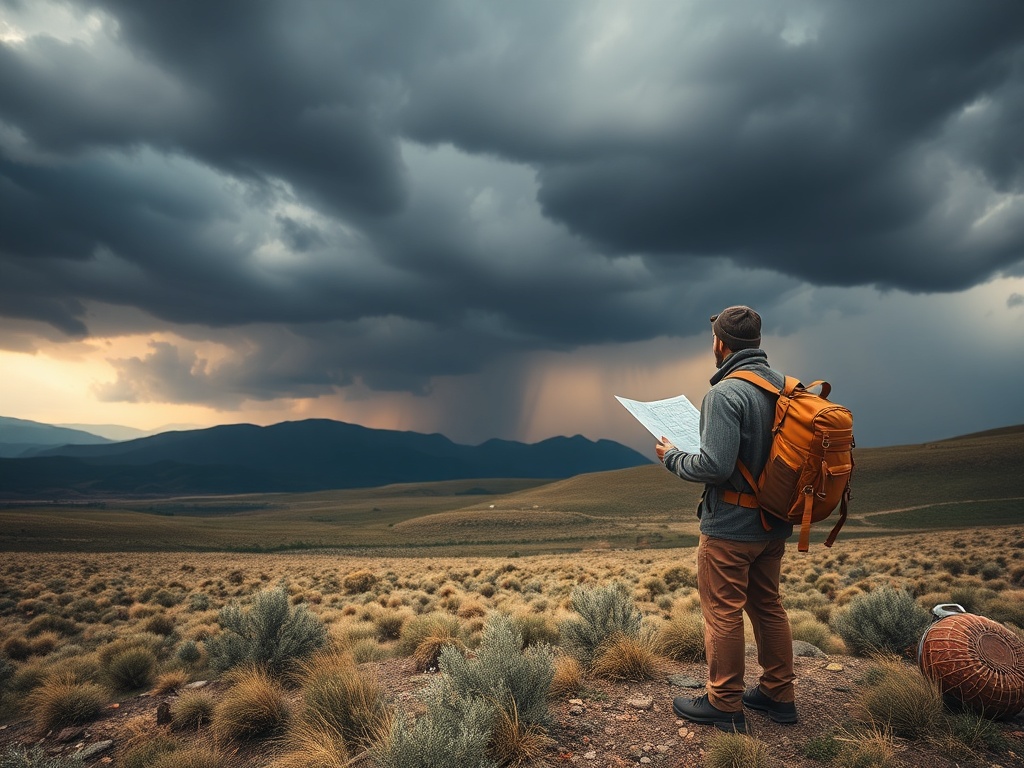
Things will go wrong. Transportation delays, weather shifts, plans falling apart.
Instead of trying to prevent every issue, prepare for recovery:
- Know alternative routes
- Keep emergency funds accessible
- Have at least one contact or resource in the region
The difference between a disaster and a great story is usually how you respond when something breaks.
Step 8: Document, But Don’t Interrupt the Experience
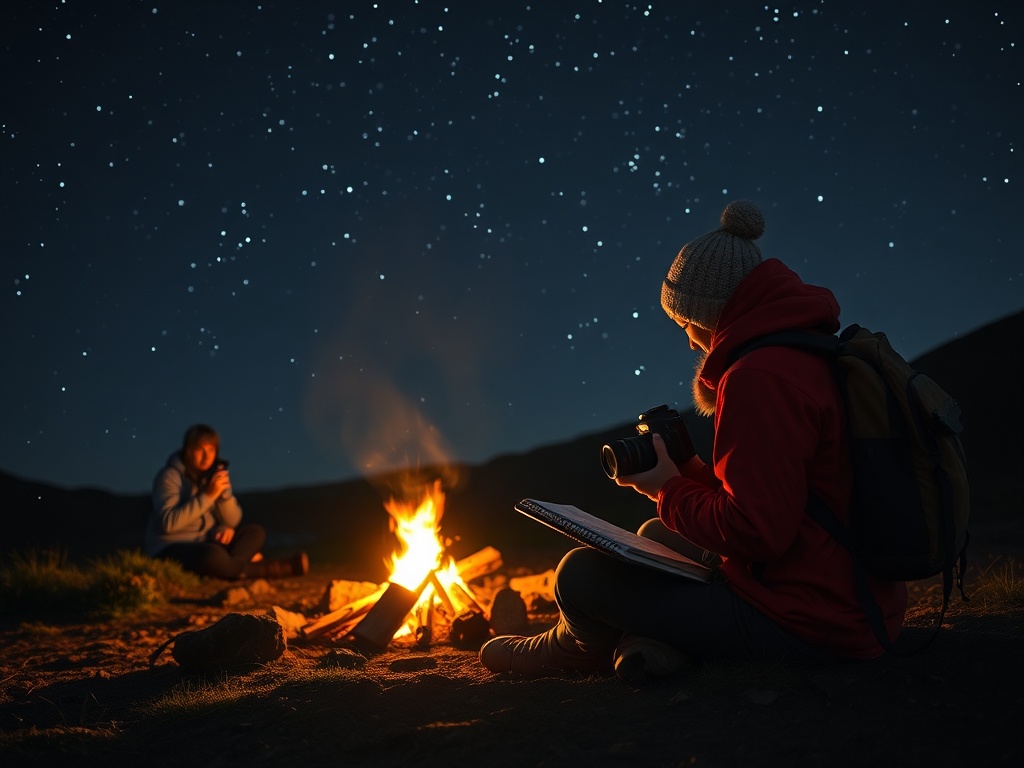
It’s tempting to document everything. Photos, videos, constant updates.
But the more you try to capture, the less you actually notice.
Pick your moments. Take photos, yes—but also leave space for experiences that exist only in your memory.
Write things down at the end of the day. That’s where the details settle into something meaningful.
Step 9: Trust Your Instincts Over Any Guide
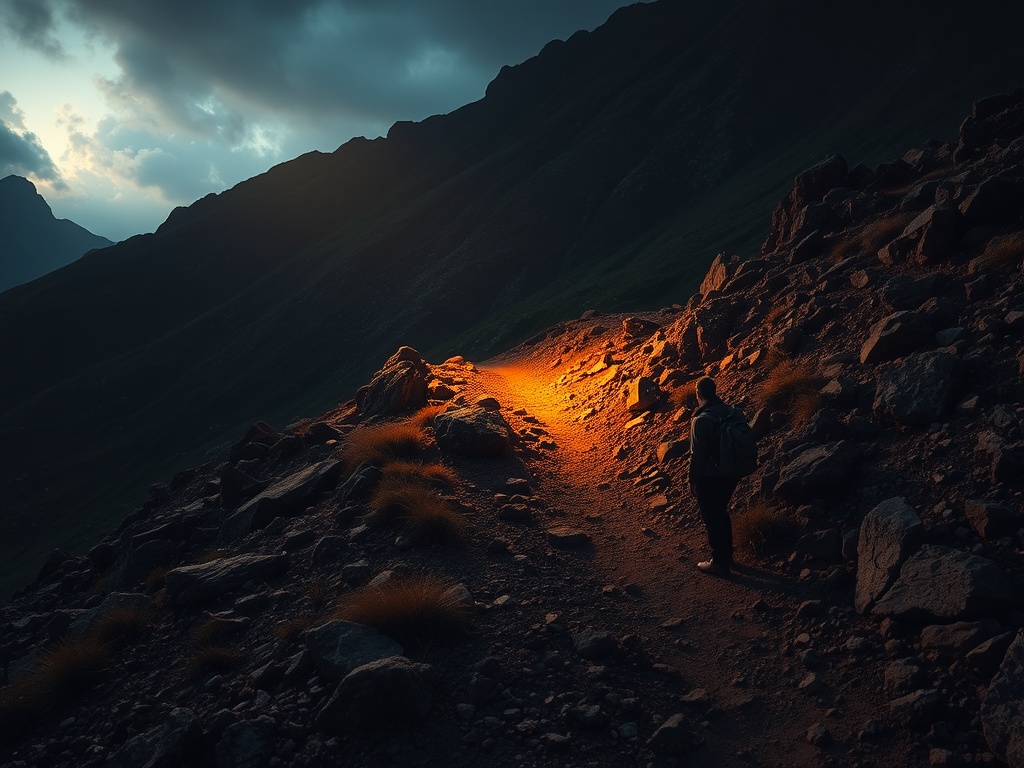
Guides—including this one—can only take you so far.
If something feels off, don’t do it. If something feels interesting, follow it—even if it wasn’t part of the plan.
Offbeat travel works best when you treat structure as a suggestion, not a rule.
Step 10: Redefine What a “Successful Trip” Means
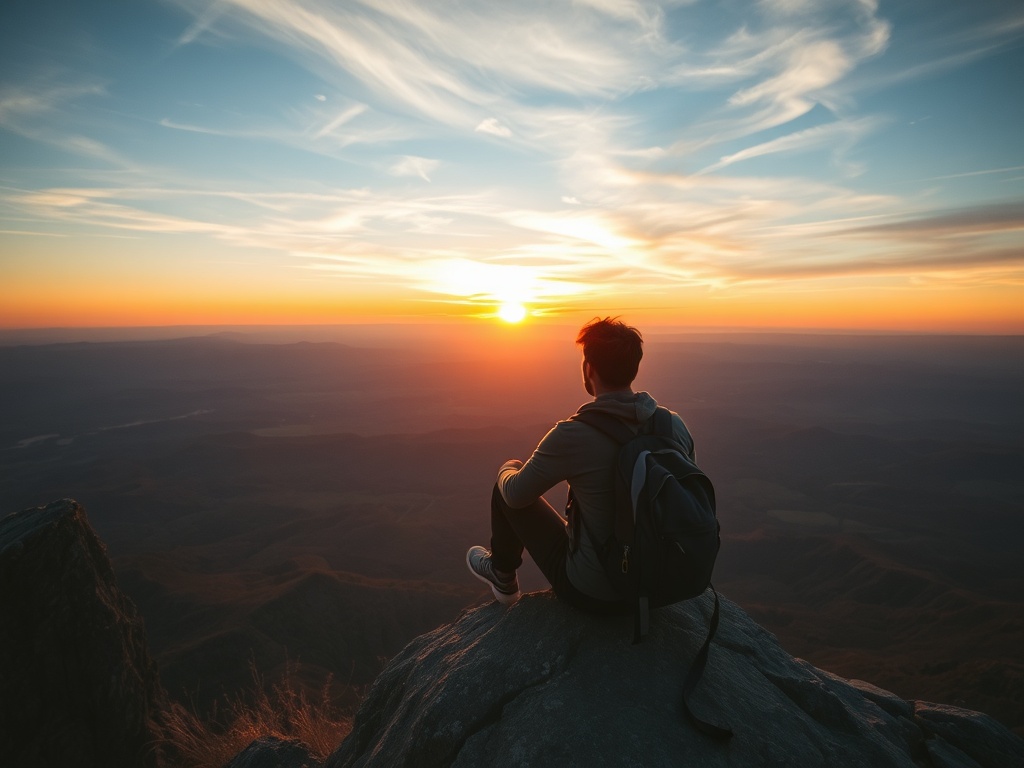
A successful offbeat trip isn’t about ticking off landmarks. It’s about depth.
Did you feel something new? Did you step outside your usual patterns? Did the experience change how you see places—or yourself—even slightly?
If yes, the trip worked.
Final Thoughts
Planning an offbeat adventure trip is less about control and more about calibration. You’re setting the conditions for discovery, not scripting the outcome.
The best trips exist in that middle ground—where you’re prepared enough to handle the unexpected, but open enough to let it happen.
That’s where the stories live.