
How to Plan an Offbeat Adventure Trip That Doesn’t Fall Apart

Most travel advice assumes you want convenience. You don’t. You want the weird detour, the empty trail, the place that makes your friends ask, “Where even is that?” The problem is that offbeat trips are fragile. One bad transport link, one missed booking, one wrong assumption—and your carefully stitched route unravels.
This guide isn’t about pretty itineraries. It’s about building a trip that can survive friction. Here’s how to plan an offbeat adventure that actually works in the real world.

Step 1: Pick a Destination That Has Just Enough Infrastructure
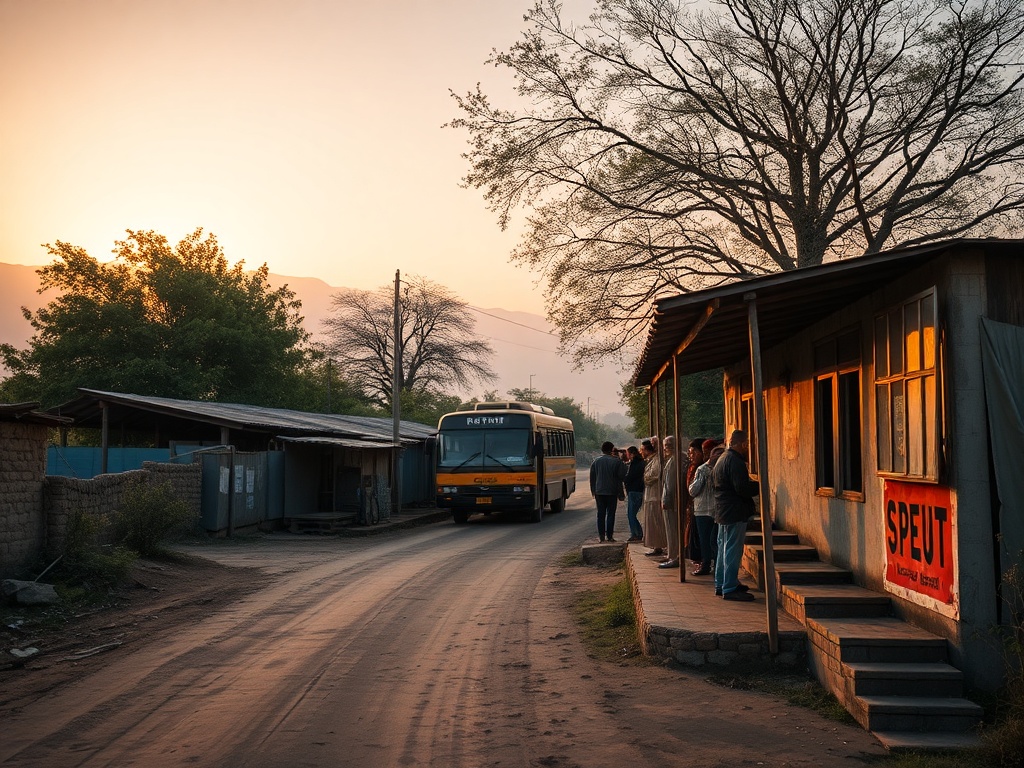
There’s a difference between remote and impossible. The sweet spot is a place that has some infrastructure—basic transport, at least one reliable town hub, and patchy but usable connectivity.
If getting there requires three unverified buses and a rumor, rethink it. If there’s a small airport, a known trailhead, or a regional transport hub, you’re in business.
- Look for: secondary national parks, lesser-known islands, border regions
- Avoid: places with zero documented routes unless you’re experienced
Offbeat doesn’t mean inaccessible. It means overlooked.
Step 2: Build a Skeleton Itinerary (Not a Packed One)
Your itinerary should have structure without rigidity. Think of it as a spine with flexible limbs.
Lock in only what would be painful to replace:
- Arrival and departure transport
- First night accommodation
- Any permit-based activities
Everything else stays adjustable. Offbeat travel rewards improvisation—but only if your foundation is stable.
A good rule: plan in anchors, not hours.

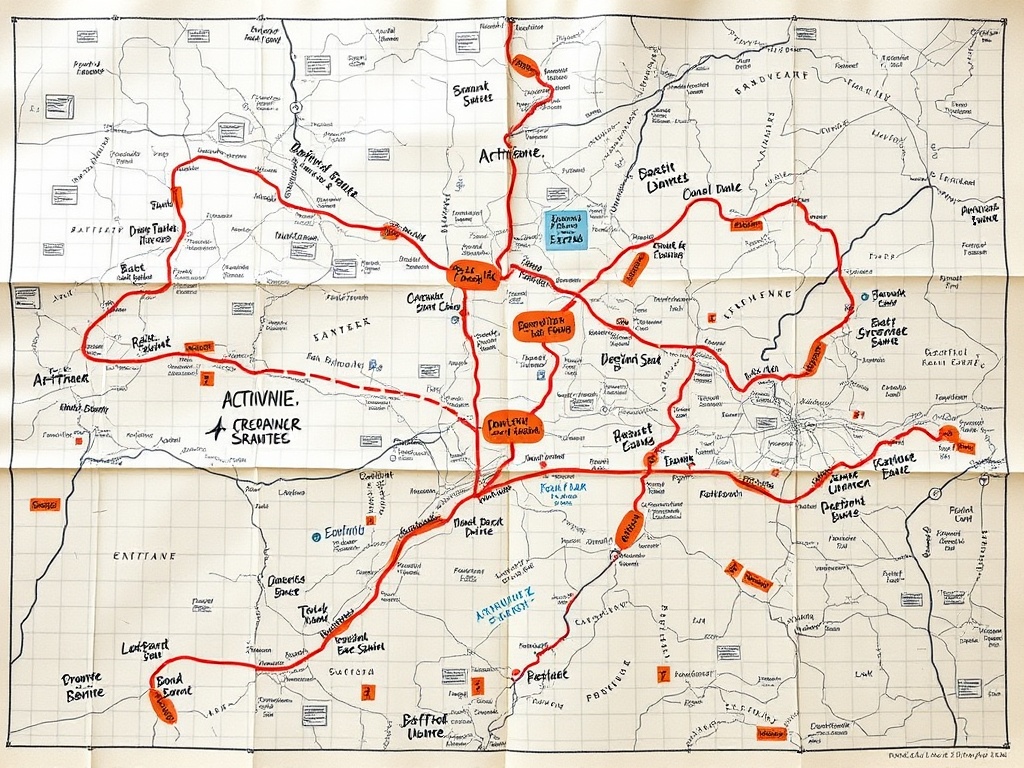
Step 3: Research Logistics Like You’re Solving a Puzzle
This is where most trips fail. Not because the place is hard—but because the connections are poorly understood.
Instead of Googling “things to do,” focus on:
- How people actually move between locations
- What time things stop running
- Backup routes if Plan A collapses
Use scattered sources—forums, local blogs, outdated guides—and cross-check everything. If three sources agree, it’s probably real.
And always ask: what happens if this leg fails?
Step 4: Pack for Flexibility, Not Perfection
Overpacking is the fastest way to ruin mobility. But underpacking in remote areas can leave you stuck.
Your gear should support uncertainty:
- Layers instead of bulky items
- Multi-use gear (sarong, headlamp, power bank)
- Offline maps and downloaded documents
If you can’t carry it comfortably for 20 minutes over uneven ground, you probably don’t need it.

Step 5: Accept That Plans Will Break—and Design for It
Here’s the honest part: something will go wrong. The bus won’t show. The trail will be closed. The weather will shift.
The goal isn’t to prevent disruption—it’s to absorb it.
Build buffers:
- Extra time between key legs
- Cash reserves for unexpected changes
- At least one alternate destination nearby
The best offbeat travelers aren’t lucky. They’re adaptable.

Step 6: Talk to Locals Early (Not Just When You’re Stuck)
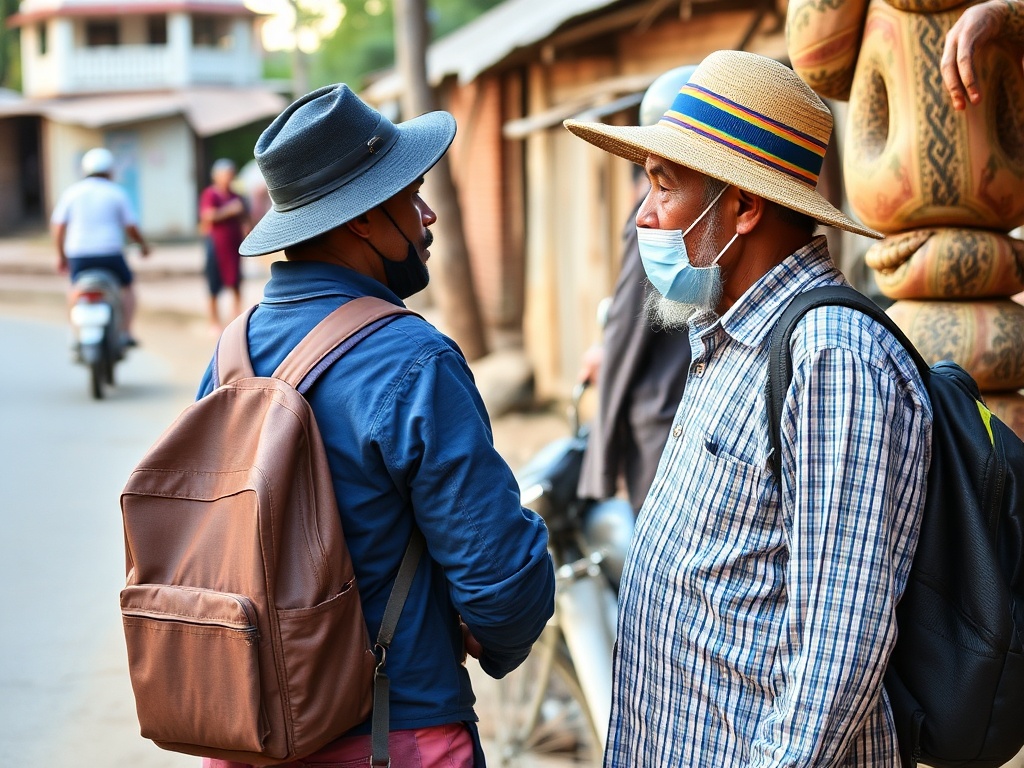
Local knowledge is the difference between guessing and knowing. But most travelers wait until something goes wrong to ask for help.
Instead, start conversations early:
- Ask about current conditions
- Confirm routes and schedules
- Learn what’s changed recently
Information on the ground beats anything you read online.
Step 7: Keep One Day Completely Unplanned
This is where offbeat travel pays off. Leave space for curiosity.
That random tip from a guesthouse owner. That trail you didn’t know existed. That detour that becomes the highlight of your trip.
If every day is scheduled, you’ve already limited what’s possible.

Step 8: Document as You Go (You’ll Forget Faster Than You Think)
Details fade quickly—routes, names, small moments. Capture them while they’re fresh.
Keep it simple:
- Short daily notes
- Offline map pins
- Quick voice memos
This isn’t about content creation. It’s about preserving the experience.

Final Thoughts
Offbeat travel isn’t about escaping structure—it’s about building just enough of it to let the unexpected happen safely.
Plan the bones. Leave the rest open. Expect friction. And when things go sideways (they will), treat it as part of the route—not a failure of it.
That’s where the real stories live.
Steps
- 1
Pick a Destination That Has Just Enough Infrastructure
- 2
Build a Skeleton Itinerary (Not a Packed One)
- 3
Research Logistics Like You’re Solving a Puzzle
- 4
Pack for Flexibility, Not Perfection
- 5
Accept That Plans Will Break—and Design for It
- 6
Talk to Locals Early (Not Just When You’re Stuck)
- 7
Keep One Day Completely Unplanned
- 8
Document as You Go