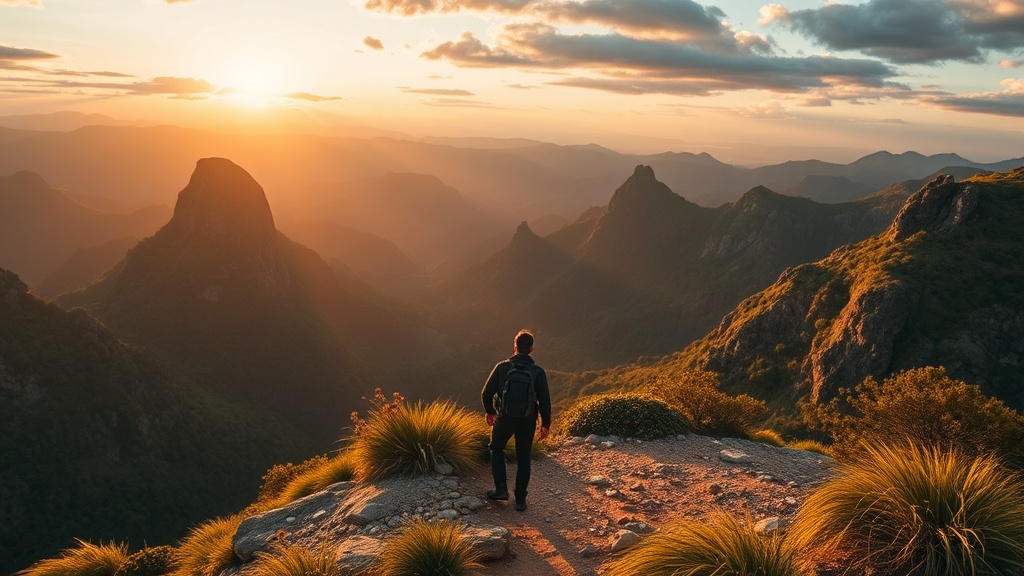
How to Plan an Offbeat Adventure Trip That Actually Feels Like Discovery

Most travel advice tells you where everyone else is already going. That’s fine if you want predictable views and polished itineraries. But if you’re chasing that rare feeling — the one where you don’t quite know what’s around the next corner — you need a different approach.
This is how to plan an offbeat adventure trip that feels raw, unscripted, and genuinely yours. Not reckless. Not chaotic. Just intentionally outside the obvious.
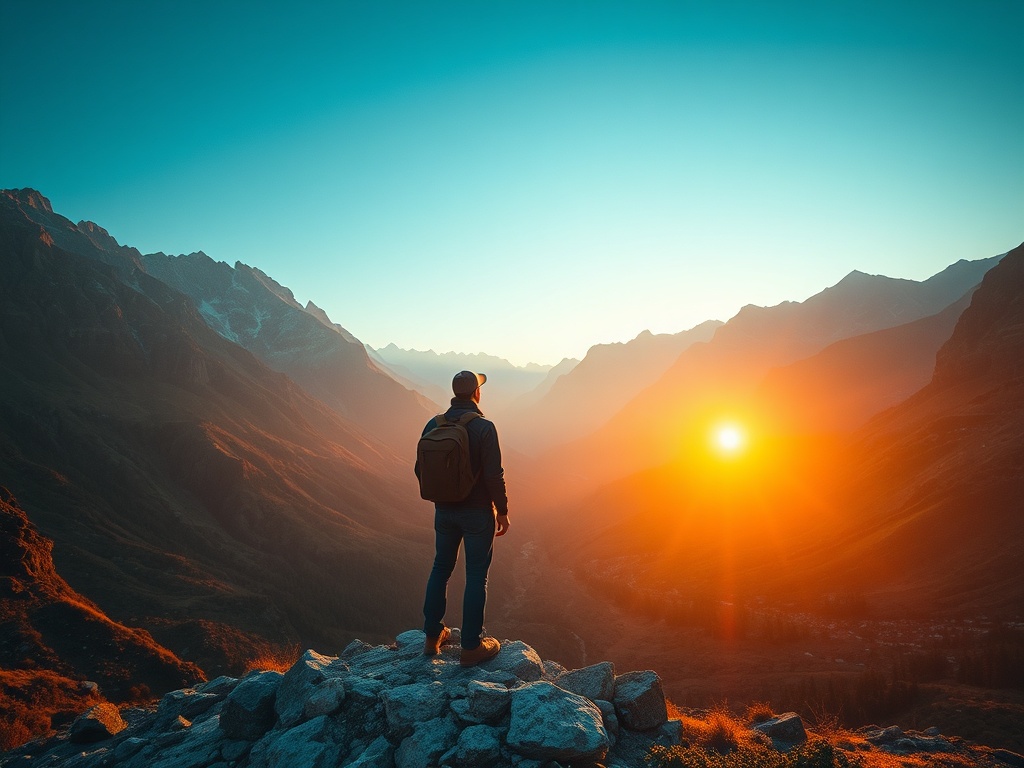
Step 1: Start With a Curiosity, Not a Destination
Forget country lists. Start with a question.
- Where can I hike through landscapes that feel almost unreal?
- Which regions still rely on traditional ways of life?
- Where can I travel without constantly hearing my own language?
Once you frame your trip around curiosity instead of geography, you open doors to places most travelers overlook.
Step 2: Hunt for the Edges of Popular Places
You don’t always need a completely unknown country. Often, the most interesting experiences live just outside the obvious zones.
Look at:
- Secondary towns near famous destinations
- Border regions between cultures
- National parks that aren’t trending on social media
The trick is proximity without saturation. Close enough for access, far enough for quiet.
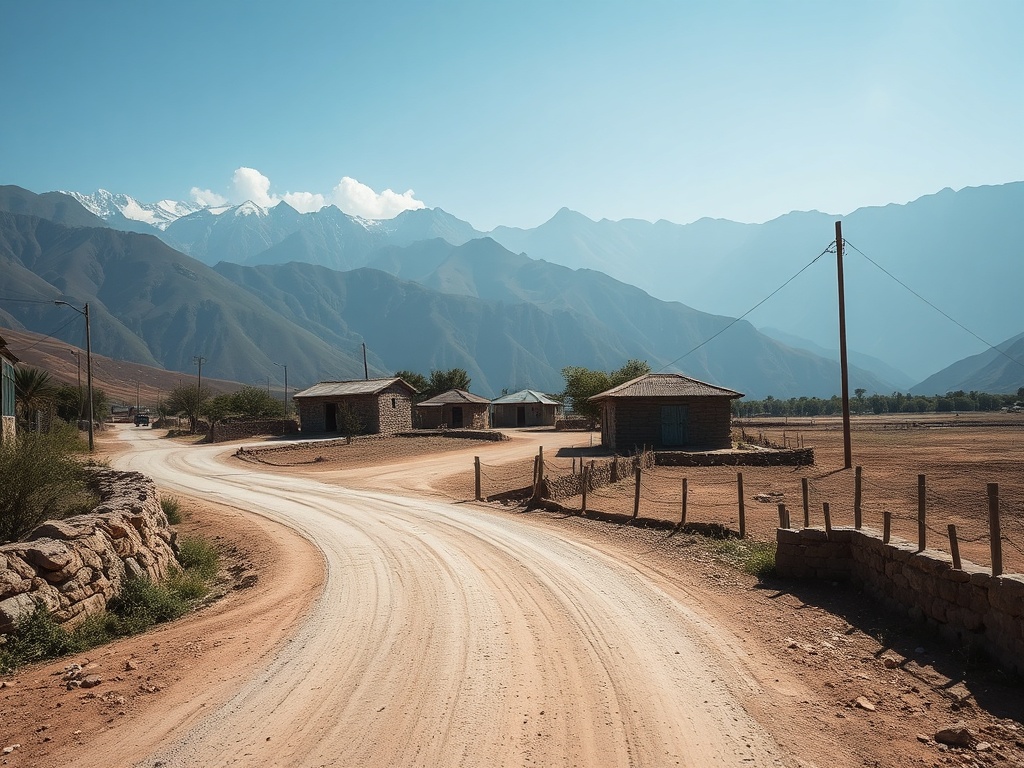
Step 3: Build a Flexible Route, Not a Rigid Itinerary
Offbeat travel collapses under overplanning. You want structure, but only just enough.
Plan:
- Your entry and exit points
- Rough regions you want to explore
- A few anchor experiences (a trek, a market, a remote stay)
Then leave space. The best moments — unexpected festivals, random conversations, detours — don’t show up in spreadsheets.
Step 4: Choose Transportation That Slows You Down
Flights are efficient. They’re also forgettable.
If you want your trip to feel like a journey, prioritize:
- Regional buses
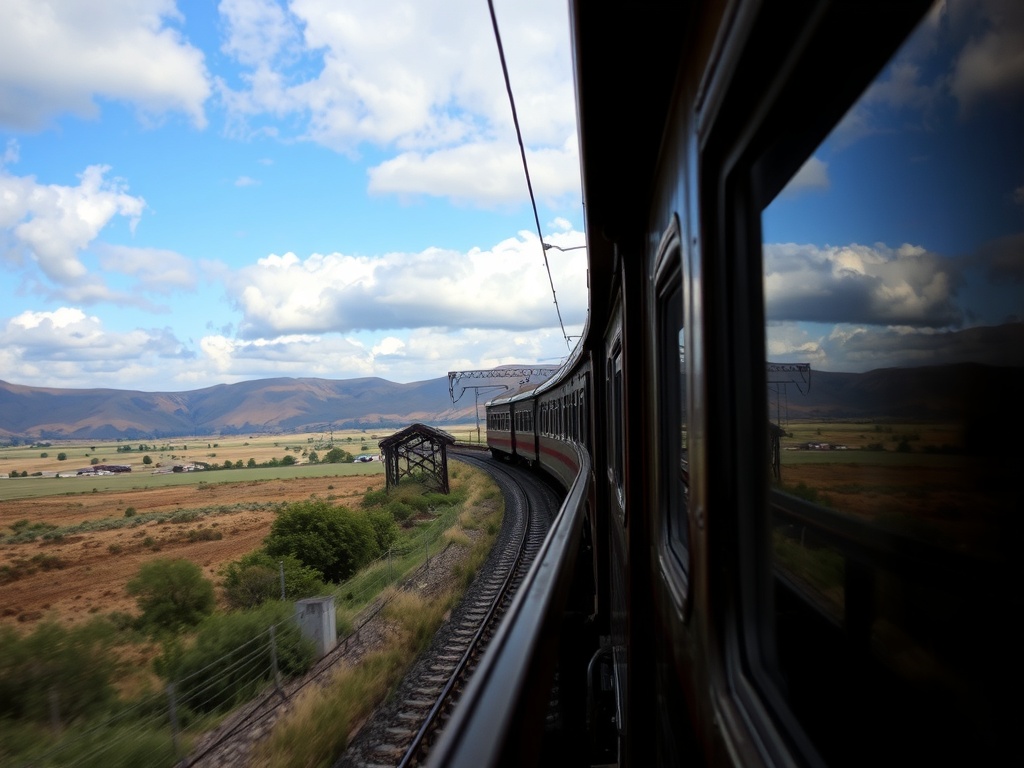
- Trains through rural landscapes
- Motorbike or car rentals for remote routes
Movement becomes part of the story, not just a gap between destinations.
Step 5: Stay Somewhere With Character (Not Just Convenience)
Chain hotels smooth everything out. That’s the problem.
Look for:
- Family-run guesthouses
- Eco-lodges in remote settings
- Homestays in small communities
You’ll trade predictability for stories — and that’s the entire point.
Step 6: Learn the Bare Minimum Before You Go
You don’t need to master a language or memorize history books. But showing up completely unaware creates friction.
Focus on:
- Basic phrases
- Local customs (especially etiquette)
- How people move, eat, and interact daily
This small effort changes how locals respond to you — and how deeply you experience a place.
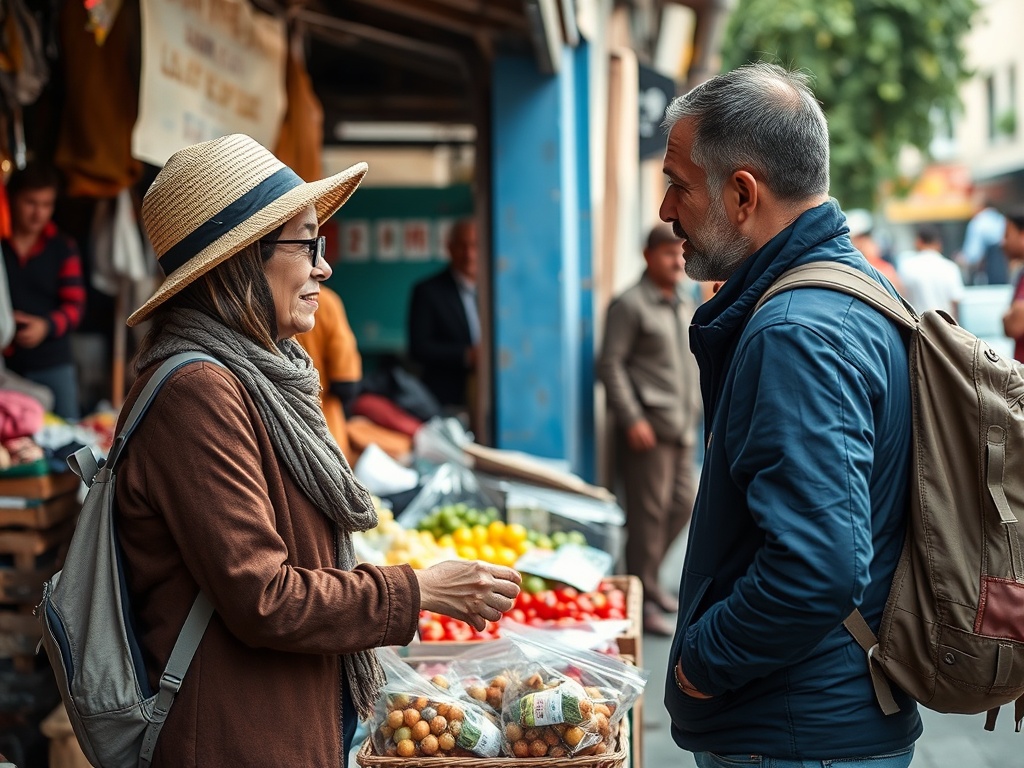
Step 7: Pack for Adaptability, Not Perfection
Offbeat trips rarely go exactly as planned. Your gear should reflect that.
- Layered clothing for shifting conditions
- A lightweight daypack for spontaneous detours
- Backup essentials (offline maps, cash, power bank)
Overpacking ties you down. Smart packing gives you options.
Step 8: Embrace Discomfort (Within Reason)
Not everything will be easy. That’s part of the appeal.
Maybe it’s a long, dusty ride. A language barrier. A meal you don’t fully recognize.
Discomfort sharpens memory. Just keep it within safe limits — the goal is challenge, not risk.
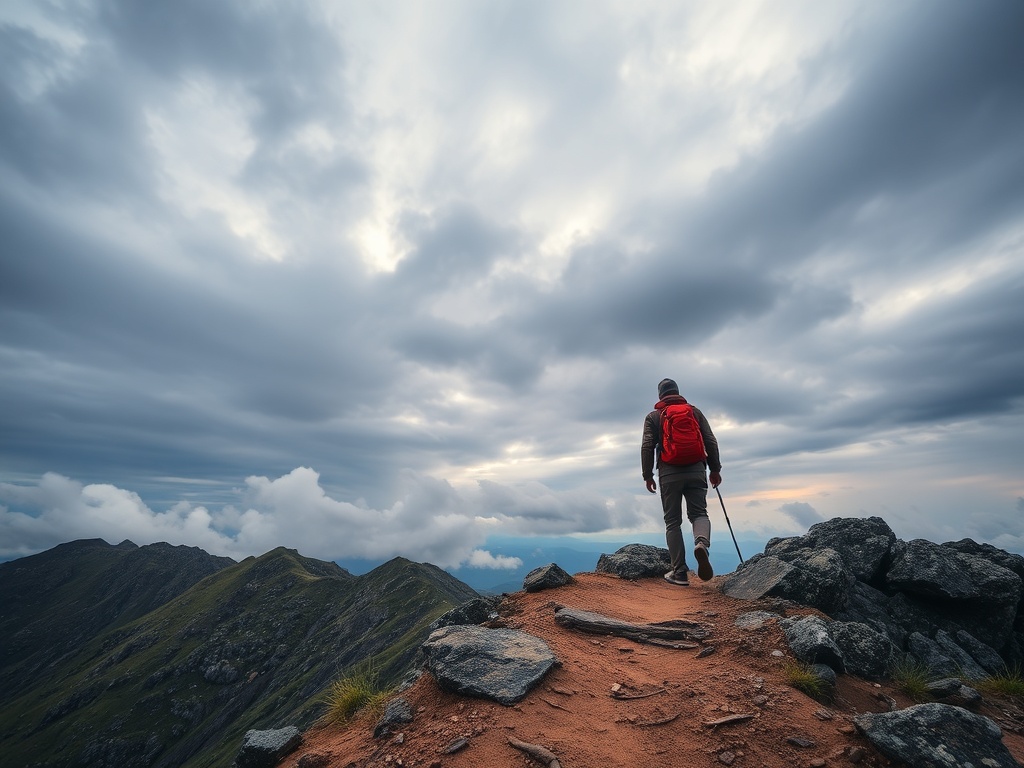
Step 9: Talk to People — Even When It Feels Awkward
This is where offbeat travel shifts from scenery to experience.
Ask questions. Accept invitations when appropriate. Stay curious.
You won’t remember every viewpoint. You will remember conversations.
Step 10: Leave Room for the Unexpected
The more control you try to impose, the less alive your trip feels.
Miss a bus? Stay longer somewhere? Follow a random recommendation?
That’s not failure. That’s the point.

Step 11: Respect the Place (and Stay Low Impact)
Offbeat destinations often stay offbeat for a reason — they’re fragile.
- Support local businesses
- Minimize waste
- Follow local guidelines
Travel lightly so these places don’t turn into the very crowds you’re trying to avoid.
Step 12: Reflect Before You Move On
Constant movement blurs everything together.
Take time to pause — even briefly — and absorb where you are.
Write notes. Sit somewhere quiet. Let the experience land.
That’s how a trip becomes something you actually carry with you.
Offbeat travel isn’t about being different for the sake of it. It’s about choosing depth over convenience, curiosity over checklists, and experience over optics.
If you plan it right, you won’t just visit a place — you’ll feel like you found it.
Steps
- 1
Start With a Curiosity, Not a Destination
- 2
Hunt for the Edges of Popular Places
- 3
Build a Flexible Route, Not a Rigid Itinerary
- 4
Choose Transportation That Slows You Down
- 5
Stay Somewhere With Character
- 6
Learn the Basics Before You Go
- 7
Pack for Adaptability
- 8
Embrace Discomfort
- 9
Talk to People
- 10
Leave Room for the Unexpected
- 11
Respect the Place
- 12
Reflect Before You Move On