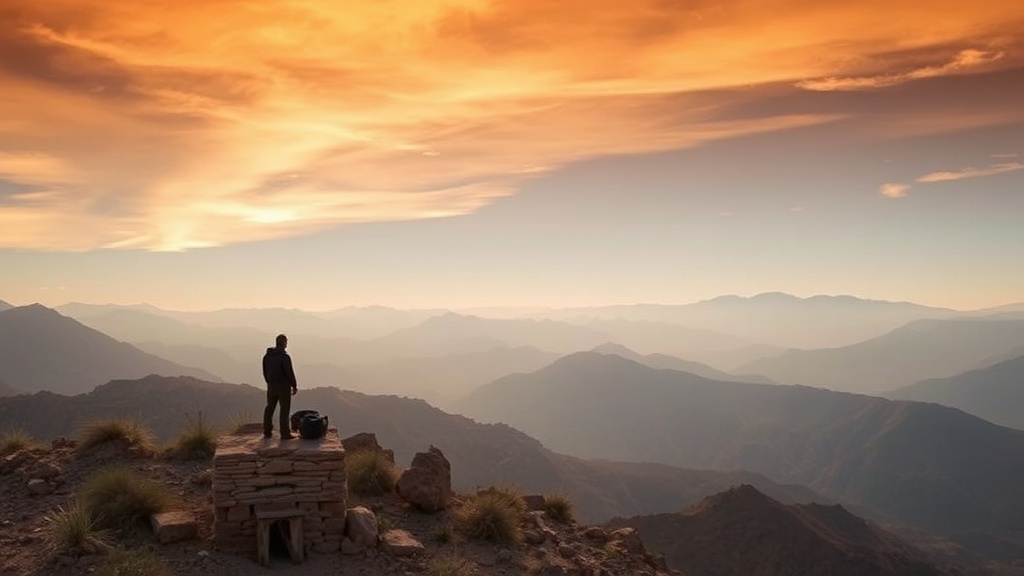
Finding Silence in the High Atlas Mountains of Morocco
The Myth of the Constant Guide
Most people assume that trekking through the High Atlas Mountains requires a permanent, tethered guide to prevent getting lost. While local expertise is helpful, the idea that you can't venture out on your own is a misconception that keeps many adventurers stuck in organized tour groups. Exploring these peaks is about finding your own rhythm, not following a flag-waving leader through a pre-set itinerary. This post covers the realities of self-guided trekking in the Atlas range, the logistical hurdles of mountain villages, and how to respect the local Berber culture while moving through it.
The High Atlas isn't just a backdrop for a photo; it's a living, breathing mountain range where the terrain dictates every move. You aren't just walking through nature; you're walking through a culture that has existed in these valleys for centuries. If you want to experience the real Morocco, you have to be willing to leave the paved roads behind and get a little dust on your boots.
Is it safe to trek the High Atlas alone?
Safety in the Atlas Mountains isn't about avoiding danger; it's about understanding the environment. The weather can turn in minutes—one moment the sun is beating down on the red clay, and the next, a cold wind is whipping through the valleys. You don't need a professional guide for every single step, but you do need a solid topographical map and a basic understanding of the local terrain. The trails are often unmarked and can be quite subtle, appearing as nothing more than a worn path in the dirt.
Water is your biggest concern. While many villages have reliable sources, the higher elevations are notoriously dry. Don't rely on finding a stream just because a map says one exists. Always carry more water than you think you'll need. If you're planning a multi-day trek, check the Atlas Mountains official resources or local tourism boards to understand the current conditions. If you aren't experienced with high-altitude movement, maybe start with a shorter loop before attempting the higher peaks like Toubkal.
What should I pack for a Berber village trek?
Forget the high-tech, neon-colored gear you see in commercial advertisements. In the Berber villages, looking like a professional mountain climber can actually make you stand out in a way that feels slightly intrusive. Aim for functional, durable clothing that respects local customs. Modesty is a big deal here; even if you're hiking, avoid anything too revealing. A simple, long-sleeved moisture-wicking shirt and sturdy hiking trousers will serve you much better than heavy denim or flashy technical gear.
- Footwear: Mid-height boots with good ankle support are non-negotiable. The scree can be loose and unpredictable.
- Layers: Even in summer, temperatures drop significantly once the sun dips behind the peaks.
- Small Gifts: If you're staying in a local gite (guest house), a small token of appreciation—perhaps some tea or a small gift from your home country—goes a long way in building rapport.
One thing people often overlook is the power of a physical map. GPS is great, but signal in the deep valleys is notoriously spotty. If your phone dies, you're stuck. A paper map and a compass are your best friends when the digital world fails you. I've seen too many travelers rely solely on a phone only to find themselves staring at a blank screen halfway up a ridge.
How much does it cost to trek in Morocco?
One of the best parts about the Atlas Mountains is the accessibility of the experience. It isn't an overpriced, exclusive trek reserved for the ultra-wealthy. You can find everything from basic mountain huts to more comfortable guest houses. However, the cost of food and lodging can vary wildly depending on how deep you go into the remote valleys. Generally, the deeper you go, the more you'll rely on local-run establishments, which are often much more affordable than the hotels in Marrakech.
| Item | Estimated Cost (USD) | Notes |
|---|---|---|
| Daily Food | $10 - $20 | Usually includes bread, tagine, and tea. |
| Local Guide (Per Day) | $25 - $40 | Highly recommended for multi-day treks. |
| Mountain Gite/Stay | $15 - $30 | Often includes a simple, hearty meal. |
Don't expect luxury. A mountain gite is a place to sleep and eat, not a place to relax by a pool. It's a functional space meant for weary travelers. If you're looking for a five-star experience, you're in the wrong place. But if you want a bowl of steaming vegetable tagine after a long day of climbing, you'll find it here. The real value lies in the conversation with the people who live here, not in the thread count of the sheets.
The culture in the Atlas is deeply rooted in hospitality, but it is also quite private. When you're walking through a village, be mindful of your surroundings. Don't just point and shoot your camera at people. Ask permission first. A little bit of social awareness goes a long way in making your presence feel welcome rather than intrusive. The people here are incredibly kind, but they also have a way of life that doesn't revolve around your travel itinerary.
If you're looking for more technical information on regional weather patterns, the World Weather Online service provides decent historical data for the region, which can help you time your trip. A good rule of thumb is to aim for spring or autumn. Summer is often too hot for heavy exertion, and winter can bring heavy snow that makes many of the higher passes impassable for anyone without specialized gear.