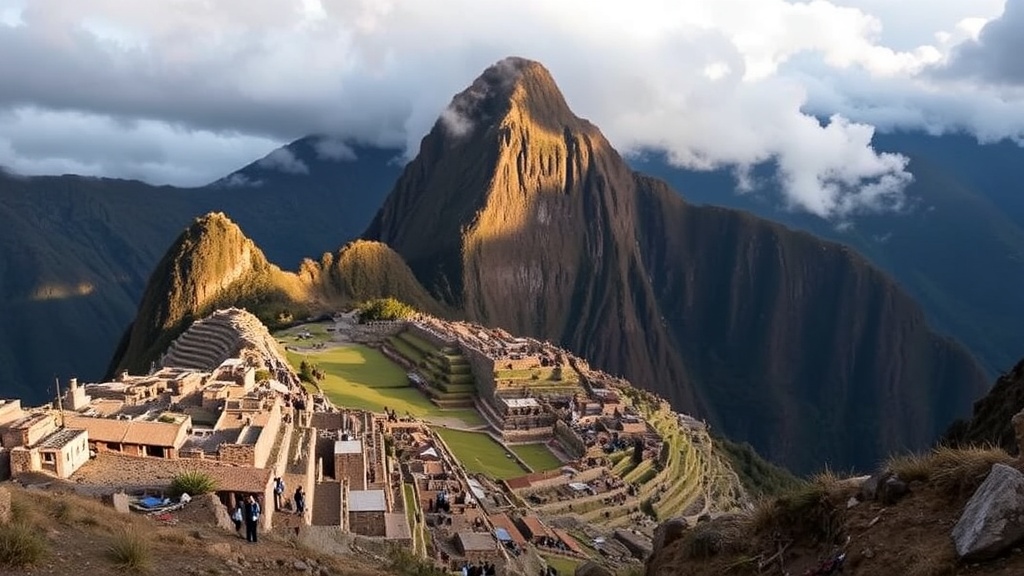
Deciding If the Salkantay Trek or the Inca Trail Fits Your Trip Better
You'll learn how to separate the marketing hype from the reality of trekking in the Peruvian Andes, specifically focusing on the physical demands, gear requirements, and logistical hurdles of the Salkantay Trek versus the classic Inca Trail. Choosing between these two paths isn't just about which one has better photos; it's about knowing what your body can handle at 15,000 feet and understanding that the wrong choice can turn a dream trip into a miserable slog. We're going to look at why the Salkantay is often called the 'tough' alternative and what you need to do to prepare for it properly.
Why is the Salkantay Trek harder than the Inca Trail?
When you start looking at maps of the Cusco region, the distances might not look that intimidating. The classic Inca Trail is roughly 26 miles over four days. The Salkantay Trek, however, usually covers about 46 miles over five days. That's a lot more time on your feet, and the terrain is significantly more rugged. While the Inca Trail is famous for its endless stone stairs (which are brutal on the knees), the Salkantay is a wilder experience. You aren't walking on ancient pavement; you're walking on loose scree, muddy forest paths, and high-alpine ridges. The elevation is the real kicker here. On the Inca Trail, the highest point is Dead Woman's Pass at 13,828 feet. On the Salkantay, you have to find your way over the Salkantay Pass, which sits at a staggering 15,090 feet. At that height, there's about 40% less oxygen than at sea level. Every step feels like you're wearing lead boots, and your heart will pound against your ribs even when you're just standing still.
The weather on the Salkantay is also much more volatile. Because you're skirted by the massive Salkantay and Humantay peaks, you're at the mercy of alpine weather systems. It can be a sunny 60 degrees one minute and a freezing sleet-storm the next. This requires a level of mental toughness that the more sheltered Inca Trail doesn't always demand. You'll also spend more time at high altitudes before descending into the cloud forest. On the second day of the Salkantay, you climb for hours to reach the pass, then drop nearly 3,000 feet in a single afternoon. That kind of rapid change in elevation is hard on the joints and the lungs. If you aren't comfortable with long days of steep ascent and descent, the Salkantay might feel less like a fun adventure and more like a test of endurance you didn't sign up for. But for those who want to avoid the crowds (the Inca Trail is limited to 500 people per day, including porters), the Salkantay offers a sense of scale and solitude that's hard to find elsewhere.
What gear do you actually need for high altitude trekking?
Don't let anyone tell you that you can do this in sneakers. You need sturdy, broken-in hiking boots with excellent ankle support. The scree on the Salkantay Pass is slippery, and a rolled ankle on day two means your trip is over. Beyond footwear, layering is the only way to survive the temperature swings. You'll want a base layer made of merino wool—never cotton, which holds moisture and will make you freeze the moment you stop moving. On top of that, a mid-layer fleece and a high-quality down jacket are required for the cold mornings and nights. I've seen people try to get by with cheap hoodies, and they usually end up shivering in their tents by 7 PM. A waterproof shell is also vital. The Peruvian rainy season is unpredictable, but even in the 'dry' season, the cloud forest lives up to its name. You will get wet, and staying dry is the difference between a great trek and hypothermia.
You should also think about how you're going to carry your gear. If you're going with a guided group, they usually provide mules to carry about 5kg to 7kg of your stuff. This means you only need a daypack for your water, snacks, camera, and extra layers. If you're doing this solo (which is possible but tough), you'll be carrying 30+ pounds at 15,000 feet. That requires a pack with a strong frame and a hip belt that actually fits you. Also, don't forget trekking poles. Even if you think they're for 'old people,' your knees will thank you on the 3,000-foot descent from the pass. They provide stability on the loose rock and help distribute the weight of your pack. For more detailed gear lists, you can check out resources like the REI backpacking checklist to make sure you aren't missing the basics. Finally, bring a high-capacity power bank. The cold drains phone batteries incredibly fast, and there are very few places to charge anything once you leave Mollepata.
How can you avoid altitude sickness in the Andes?
Altitude sickness is the one thing that can stop even the fittest hiker in their tracks. It doesn't care how many marathons you've run or how much you squat. In fact, sometimes the fittest people are at higher risk because they try to push through the pain instead of listening to their bodies. The best way to manage the transition to high altitude is to spend at least three full days in Cusco (11,152 feet) before you start the trek. This gives your blood time to produce more red cells to carry oxygen. During these days, drink more water than you think you need. Dehydration makes altitude symptoms much worse. You'll also see locals chewing coca leaves or drinking coca tea. It does help with the headache and the lethargy, but it's not a magic cure. It's a mild stimulant that helps your body cope, but it won't save you if you have a serious case of Acute Mountain Sickness (AMS).
Many hikers talk to their doctors about Acetazolamide (often known by the brand name Diamox) before they leave home. It helps your body acclimate faster, but it has side effects like tingling in your fingers and making carbonated drinks taste like metal. It's a personal choice, but if you've had trouble with altitude before, it's worth the conversation. You can read the CDC guidelines on high-altitude travel for a more medical perspective on the risks. The most important rule on the trail is 'pole pole'—a Swahili term often used in Kilimanjaro that applies just as well here. It means 'slowly, slowly.' Do not race up the mountain. If you feel a throbbing headache that won't go away, or if you feel nauseous and lose your appetite, you need to tell your guide or your partner immediately. The only real cure for severe altitude sickness is descent. Pushing through it can lead to more dangerous conditions like HAPE or HACE, which are life-threatening. Be smart, stay hydrated, and don't be afraid to be the slowest person on the trail.
Food on the trail is another thing people worry about, but if you're with a good trekking company, you'll likely eat better than you do at home. Expect lots of quinoa soup, lomo saltado, and even fresh trout. The cooks are miracle workers who can whip up a three-course meal on a two-burner stove in a tent. However, you need to be careful with water. Do not drink the water from the taps or the streams unless you have treated it yourself. I recommend a Grayl water purifier or a LifeStraw. Boiling water is also effective, but it takes longer at high altitudes because water boils at a lower temperature, which doesn't always kill all the bacteria. Using a filter saves you from buying plastic bottles, which is better for the environment and your wallet. You'll also want to carry some of your own snacks—salty nuts, dried fruit, and chocolate. The energy requirements for hiking at this elevation are massive, and you'll find yourself getting 'hangry' much faster than usual.
By the time you reach the cloud forest on day three and four, the terrain changes completely. It gets hot, humid, and buggy. You'll need to swap your down jacket for bug spray. The 'sand flies' in the area around Santa Teresa are notorious; their bites itch for weeks and can sometimes turn into nasty sores if you scratch them. It's a weird transition to go from freezing alpine winds to tropical humidity in less than 48 hours, but that's the beauty of the Salkantay. You see multiple ecosystems in a single trip. The final stretch involves walking along the train tracks from Hidroelectrica to Aguas Calientes, the town at the base of Machu Picchu. It's a flat but long walk, and by this point, your feet will likely be covered in blisters. Push through—the hot springs in Aguas Calientes are waiting for you, and they are the perfect way to soak your tired muscles before the final climb to the ruins the next morning.
Logistics for the Salkantay are a bit easier than the Inca Trail because you don't need to book six months in advance for a permit. You do, however, need to book your entry to Machu Picchu and your return train ticket from Aguas Calientes to Cusco. You can do this on the official government website. If you wait until you arrive in Cusco, you might find that the best time slots for the ruins are already taken. Also, keep in mind that the Salkantay Trek is often closed in February due to the heavy rains and the risk of landslides. The best time to go is between May and September when the skies are clear and the views of the Salkantay peak are unobstructed. It's a challenging trip, but standing at the top of the pass with the wind whipping around you and the snow-capped mountains in every direction is a feeling you won't forget anytime soon. Just make sure you've done the work to get there safely.