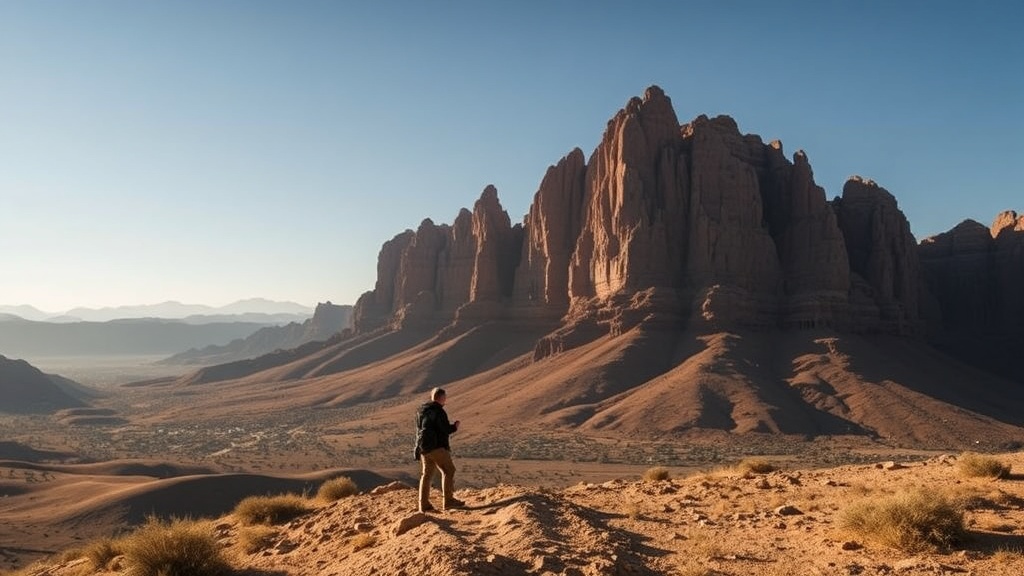
Chasing Spice Trails through the High Atlas Mountains
This guide covers the logistics, gear requirements, and cultural etiquette for trekking through the High Atlas Mountains of Morocco, specifically focusing on the spice routes and traditional Berber villages. You'll find practical advice on seasonal weather, budget expectations, and how to find authentic local experiences that avoid the typical tourist traps. If you want to move beyond the standard Marrakech excursions and actually experience the mountain culture, this is the information you need.
What is the best time to visit the High Atlas Mountains?
The best time to visit the High Atlas Mountains is during the spring (April to June) or autumn (September to October) when temperatures are moderate and the trails are most manageable.
During the summer, the heat in the valleys can be punishing, and the lower elevations often feel like an oven. High altitude trekking in July or August requires much more physical exertion due to the heat. On the other hand, winter brings heavy snow to the higher passes, which can make certain trails impassable without specialized equipment. If you're planning a trek, aim for that sweet spot in May when the wildflowers are out and the air is crisp—not sweltering.
I always suggest checking the Atlas Mountains topography before booking, as the weather changes fast. One day you're in a sun-drenched valley, and the next, a storm rolls in from the Atlantic. It's unpredictable.
Here is a quick breakdown of what to expect by season:
| Season | Temperature Range | Best Activity | Difficulty Level |
|---|---|---|---|
| Spring | 15°C - 25°C | Wildflower hiking | Moderate |
| Summer | 25°C - 35°C+ | High altitude climbing | High (Heat) |
| Autumn | 10°C - 25°C | Cultural village walks | Moderate |
| Winter | -5°C - 15°C | Snow trekking | Very High |
How much does a trek in the High Atlas Mountains cost?
A mid-range trek through the High Atlas typically costs between $50 and $150 USD per day, depending on whether you hire a private guide and a mule.
The cost varies wildly based on your level of comfort. If you're a minimalist, you can find local homestays that are incredibly cheap. However, if you want a guided experience with a pack mule to carry your gear, expect to pay more. Most reliable guides will charge a daily rate that includes their transport and food. It's better to pay a bit more upfront for a licensed guide than to try and "wing it" with a local who doesn't speak much English (or French).
Don't forget to budget for tips. It's common practice in Morocco to tip your muleteers and local cooks. I've found that even a small amount goes a long way in building rapport with the local communities. It's not just about the money; it's about showing respect for the work they do in such a rugged environment.
If you're looking for more ways to budget your trips, check out my post on 7 offbeat destinations for the ultimate adventure travel experience. The principles of smart spending apply everywhere.
Essential Gear for High Altitude Trekking
You don't need a professional mountaineering kit for the standard spice trails, but you do need reliable layers. The temperature drops significantly once the sun goes down. I've seen too many people show up in just a T-shirt and regret it by 7:00 PM.
- Mid-weight Insulation: A down jacket like the Patagonia Down Sweater or a synthetic equivalent is a lifesaver.
- Footwear: Sturdy, broken-in hiking boots are a non-negotiable. Don't wear brand-new boots on day one.
- Hydration: A 2-liter water bladder or a reliable filtration system.
- Sun Protection: High-SPF sunscreen and a wide-brimmed hat. The sun is brutal at higher elevations.
- Daypack: A 20-30L pack for your daily essentials.
The catch with gear is that you'll likely be walking through dusty, uneven terrain. Your ankles will thank you for the support. If you're worried about weight, look for lightweight, packable layers. Less is more when you're climbing.
Can you trek the High Atlas without a guide?
Yes, you can trek parts of the High Atlas without a guide, but it is highly recommended to hire a local professional for safety and cultural immersion.
While the trails are generally well-marked in popular areas, the weather can turn a simple hike into a survival situation in minutes. More importantly, the "spice trails" aren't just about physical paths—they're about the people. Without a guide, you're just a person walking past houses. With a guide, you're a guest being invited in for mint tea.
A local guide can explain the significance of the spices being traded or the history of the Berber (Amazigh) architecture. This isn't just a walk; it's a way to understand the socioeconomic fabric of the region. If you're interested in more deep-dive travel tips, you might enjoy reading about navigating unforeseen route changes. It's a skill that serves you well in the Atlas Mountains too.
"The mountains don't care about your itinerary. They follow their own rules."
I've learned that the best way to approach these trails is with a sense of humility. You aren't "conquering" anything. You're passing through a living, breathing culture that has existed for thousands of years. Respect the pace of the locals. If a donkey is blocking the path, wait. If a village elder offers a greeting, a nod and a smile go a long way.
One thing to note: Always carry a small amount of cash in Moroccan Dirhams. Credit cards are virtually useless once you get deep into the mountain valleys. I've seen people get stuck because they relied too heavily on digital payments. It's a simple mistake, but a frequent one.
If you find yourself needing to adjust your plans on the fly due to weather or local conditions, don't panic. It's part of the adventure. I've written about hidden adventure destinations that require this exact kind of flexibility. The Atlas Mountains demand it.
Lastly, be mindful of your photography. Always ask permission before taking photos of people, especially in rural villages. It's a basic courtesy that can make or break your relationship with the locals. A little respect goes a long way in ensuring you're welcomed rather than just being seen as another tourist with a camera.