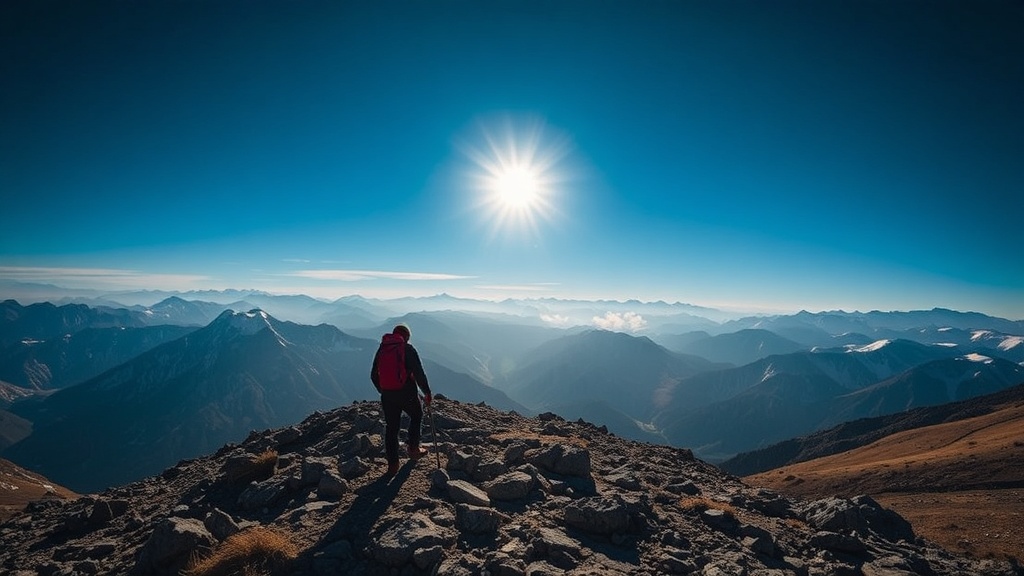
Beyond the Typical Trails: High-Altitude Trekking in the Kyrgyzstan Mountains

Exploring the High-Altitude Passes of Kyrgyzstan
This post covers the logistics, terrain expectations, and gear requirements for trekking through the Tian Shan mountain range in Kyrgyzstan. You'll find specific advice on managing altitude, understanding seasonal accessibility, and choosing between supported treks and independent expeditions.
Kyrgyzstan remains one of the most ruggedly beautiful places for those who crave isolation. Unlike the well-trodden paths of the Alps or the Himalayas, the Tian Shan mountains offer a much more raw experience. You aren't just walking a path; you're negotiating with a landscape that changes every hour. One minute you're in a lush alpine meadow filled with wildflowers, and the next—the weather shifts—and you're staring at a wall of granite and ice. It's unpredictable, and that's exactly why people go.
When you're planning a trip here, you need to realize that "hiking" is a loose term. Most of your days will involve significant vertical gain. You aren't just moving forward; you're moving up. This requires a level of physical preparation that goes beyond a few weekend walks. You need to build endurance and, more importantly, learn how to read the weather. In the high mountains, the weather doesn't just change—it arrives. A sunny morning can turn into a freezing blizzard by mid-afternoon, leaving you scrambling for cover.
What is the best time to trek in Kyrgyzstan?
Timing is everything when you're dealing with high-altitude passes. If you show up too early, the snow will block your way. If you show up too late, the heat becomes punishing. The window for peak trekking is narrow. Most travelers aim for the July to September window. During these months, the high mountain passes are generally clear of heavy snow, and the weather is stable enough to make movement predictable.
However, even in July, the temperature fluctuates wildly. You might be sweating in a base layer at noon and shivering in a heavy down jacket by 6:00 PM. I always suggest checking the AccuWeather reports for the nearest major city, but even then, don't rely solely on digital forecasts. Local conditions in the mountains are often far more extreme than what a satellite can predict. If you see clouds building up over a ridge, it's time to find your campsite or find higher ground. Don't wait for the first drop of rain.
Typical Daily Itineraries and Terrain Types
Your daily experience will vary depending on whether you're following a guided route or going solo. Most travelers choose between these two styles:
- Supported Treks: A group carries the heavy tents, food, and cooking gear. You only carry a daypack with water and snacks. This allows you to focus on the movement rather than the weight.
- Self-Supported Trekking: You carry everything. This is much more taxing and requires a high level of proficiency with mountain gear.
The terrain is rarely flat. You'll encounter scree slopes (loose rock that slides under your feet), glacial moraines, and high-altitude passes that can reach over 4,000 meters. The scree, in particular, can be a real test of your ankles. I recommend high-cut boots with a stiff sole—anything less will leave your feet aching by day three. If you find yourself on a steep descent, keep your knees slightly bent to absorb the impact. It's a common mistake to lock your joints, which leads to unnecessary fatigue.
Is much gear required for mountain trekking?
The short answer is yes. You can't skimp on quality when the environment is this harsh. Your most important piece of equipment isn't your boots—it's your layering system. You need a moisture-wicking base layer, a mid-layer for warmth, and a waterproof shell that can actually withstand a gale. If your jacket isn't truly waterproof, you're going to have a miserable time. I've seen many travelers try to save money on a light windbreaker, only to end up soaked and cold when a storm rolls in.
Water management is another huge factor. You'll see many streams and even small glaciers, but you can't just drink from any puddle. Even if the water looks clear, it can carry bacteria or sediment. Using a reliable filtration system or purification tablets is a non-negotiable part of your kit. For more detailed technical specs on high-altitude gear, the REI Expert Advice section is a fantastic resource for understanding how different materials perform in cold, damp environments.
| Gear Category | Must-Have Item | Why It Matters |
|---|---|---|
| Footwear | Stiff-soled Boots | Provides ankle support on scree. |
| Clothing | Down Mid-layer | Essential for temperature drops at night. |
| Hydration | Water Filter | Ensures safe drinking water from streams. |
| Navigation | Physical Map/GPS | Digital signals are unreliable in deep valleys. |
Lastly, don't forget your sun protection. At high altitudes, the UV index is much higher. The sun feels intense, even if the air is cold. A high-SPF sunscreen and polarized sunglasses aren't luxuries; they're requirements to prevent altitude-induced eye strain and skin damage.
How do I manage altitude sickness?
This is the question that keeps most people up at night. Altitude sickness (Acute Mountain Sickness or AMS) is a real threat in the Tian Shan. It's not just a headache; it can be a serious medical condition. The best way to handle it is through slow acclimatization. Don't rush to the highest point. Spend a few days at a lower elevation first to let your body adjust. This is why I always recommend starting your trek at a lower base camp rather than immediately heading for the high passes.
Common symptoms include a dull headache, nausea, and dizziness. If you feel these, do not ignore them. The rule of thumb is to stop ascending. If your symptoms don't improve with rest and hydration, you must descend. There is no way to "tough it out" when it comes to high-altitude pulmonary edema or cerebral edema. Listen to your body. If it's telling you to slow down, listen. It's better to reach a lower elevation than to risk a medical emergency in a remote valley where help is hours, if not days, away.
Hydration also plays a huge role in how your body reacts to the thin air. Drink more water than you think you need, but avoid excessive caffeine or alcohol, both of which can dehydrate you and exacerbate symptoms. Most of the discomfort you feel at 3,500 meters is often a combination of low humidity and thin air. Keep your breathing steady and deep. If you find yourself gasping for air, it's a sign you're pushing too hard. Slow your pace, and let the rhythm of your steps dictate your speed.